Standard Chartered Predicts Stablecoins Could Drain $500B From US Bank Deposits
Alex Smith
4 months ago
Stablecoins could pose a significant challenge to the US banking system over the next several years, with as much as $500 billion in deposits potentially moving out of traditional banks by the end of 2028, according to a new analysis from Standard Chartered.
Stablecoins Could Pressure Bank Earnings And Deposits
The forecast, reported by Reuters and published Tuesday, suggests that regional US banks are likely to be the most vulnerable to deposit losses driven by the growing adoption of dollar‑pegged digital tokens.
Geoff Kendrick, Standard Chartered’s global head of digital assets research, said smaller and mid‑sized lenders face greater exposure as stablecoins increasingly take on roles traditionally handled by banks, including payments and other core financial services.
Standard Chartered’s analysis focused on banks’ net interest margin income — the spread between what lenders earn from loans and what they pay out to depositors.
As deposits leave the banking system, that income stream could come under pressure, particularly for institutions that rely heavily on consumer and commercial deposits as a funding source.
Kendrick warned that US banks face mounting risks as payment networks and fundamental banking activities gradually migrate toward stablecoin‑based systems.
Banks And Crypto Firms Clash
While the country’s stablecoin bill, the GENIUS Act, presently prohibits issuers from paying interest on the tokens, banks are concerned that it would allow third parties, including cryptocurrency exchanges, to offer returns on stablecoin holdings.
Over the past few months, banking industry groups have argued that this “stablecoin loophole” could intensify competition for deposits, potentially triggering large-scale outflows from banks and raising broader financial stability risks. They have called for changes to the bill regarding this matter.
Crypto companies have pushed back against those claims, arguing that prohibiting interest payments tied to stablecoins would limit competition and innovation in the financial sector, thereby delaying the anticipated markup of another key piece of legislation for the crypto market.
Earlier this month, a Senate Banking Committee hearing to debate and vote on the anticipated crypto market structure legislation was postponed, in part because lawmakers could not agree on how to address banks’ concerns over deposit flight.
Kendrick noted that the ultimate scale of deposit losses will depend in part on how stablecoin issuers manage their reserves. If issuers hold a substantial portion of their backing assets within the US banking system, the impact on deposits could be less severe.
The two biggest stablecoin issuers in the crypto market, Tether (USDT) and Circle (USDC), hold most of their reserves in US Treasuries rather than bank deposits, meaning little of the funds are recycled back into the banking system.
Featured image from OpenArt, chart from TradingView.com
Related Articles
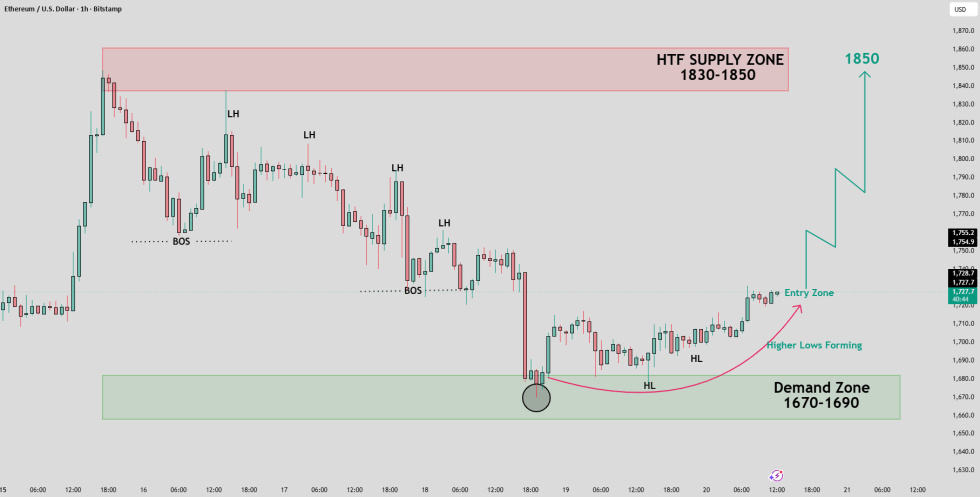
Ethereum Price Setup Targets $1,850 As Buyers Defend Key Demand Zone
A TradingView analyst says Ethereum could target $1,850 if buyers defend the $1,...
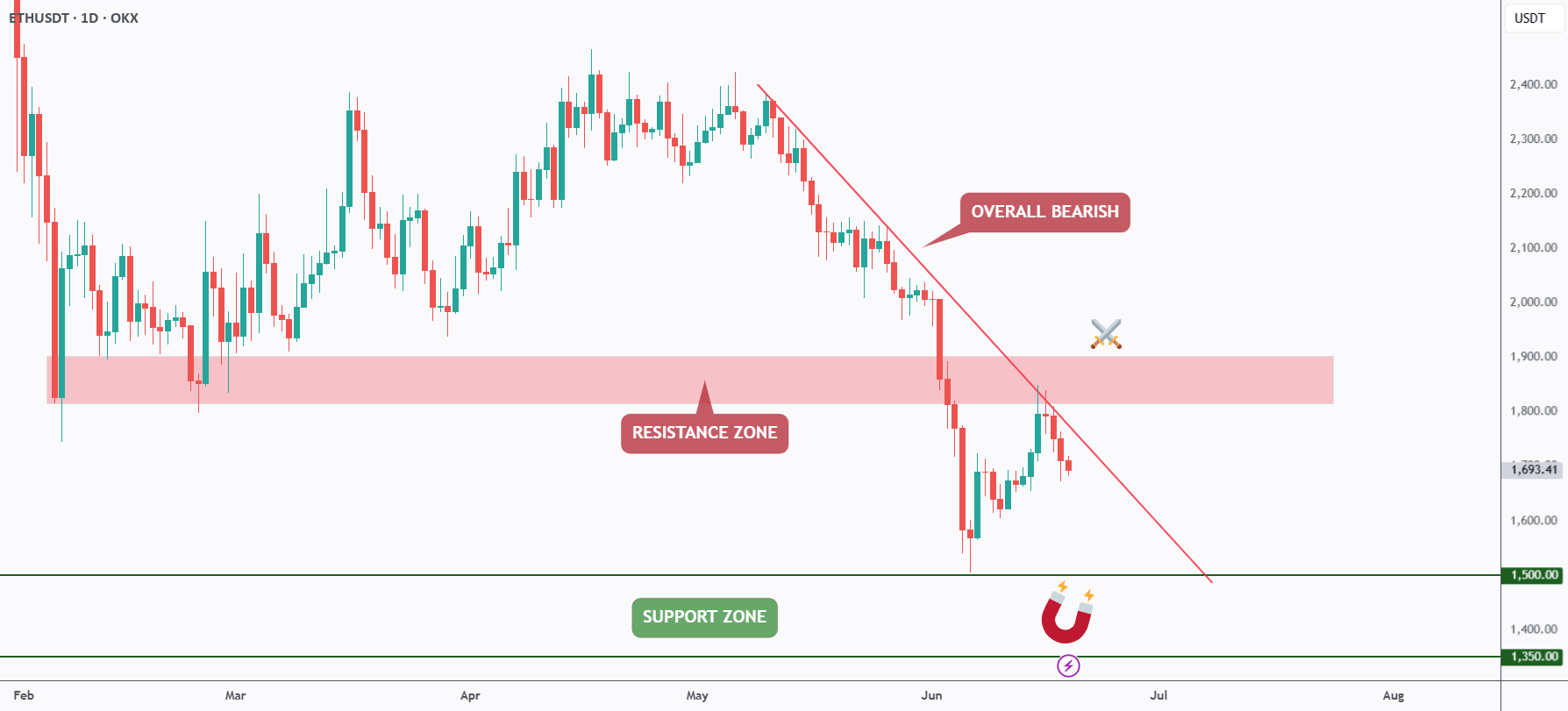
Ethereum Bears Keep Control As ETH Rejects Trendline Resistance
A TradingView analyst says Ethereum remains bearish below a falling trendline, w...
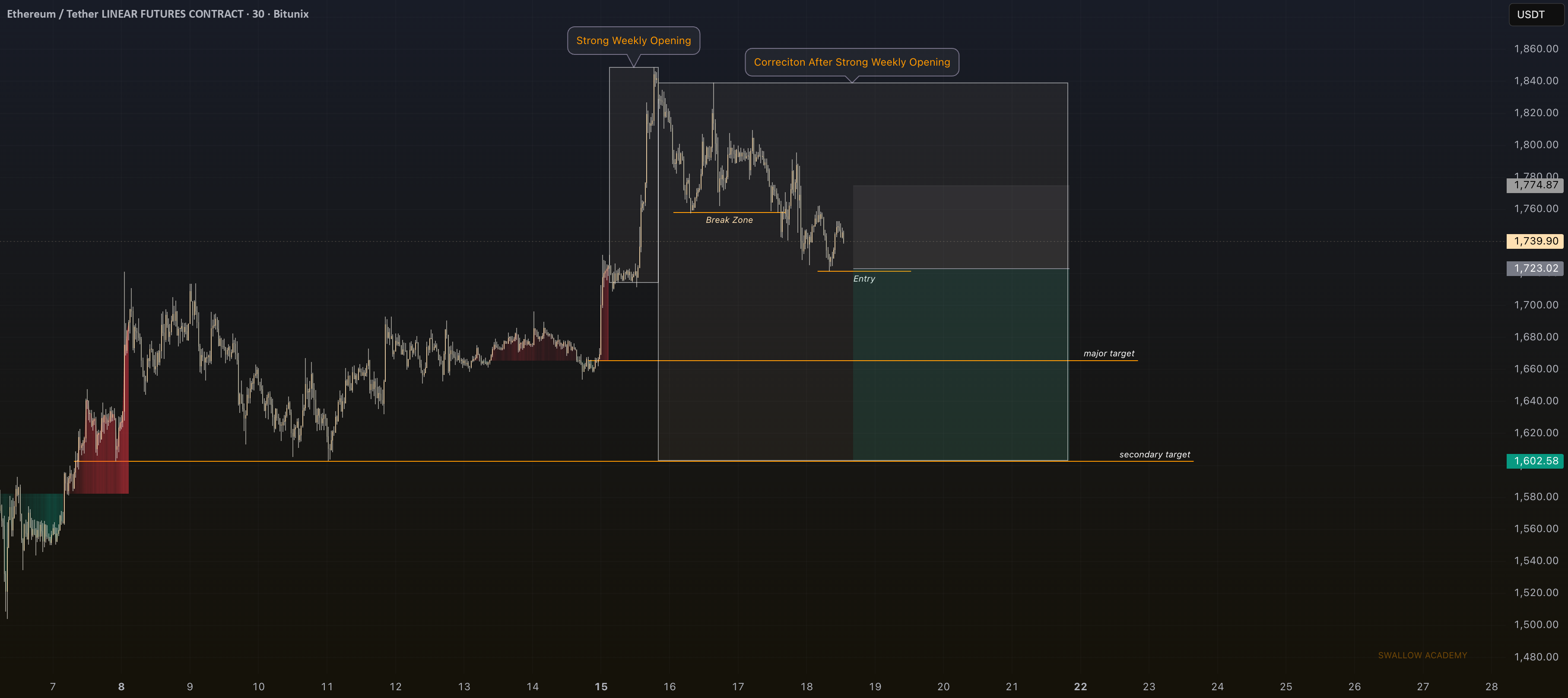
ETH/BTC Ratio Falls Back To Early-2023 Levels As Traders Debate Ethereum Value
An X analyst says ETH/BTC is back near 0.027, while a TradingView chart shows ET...
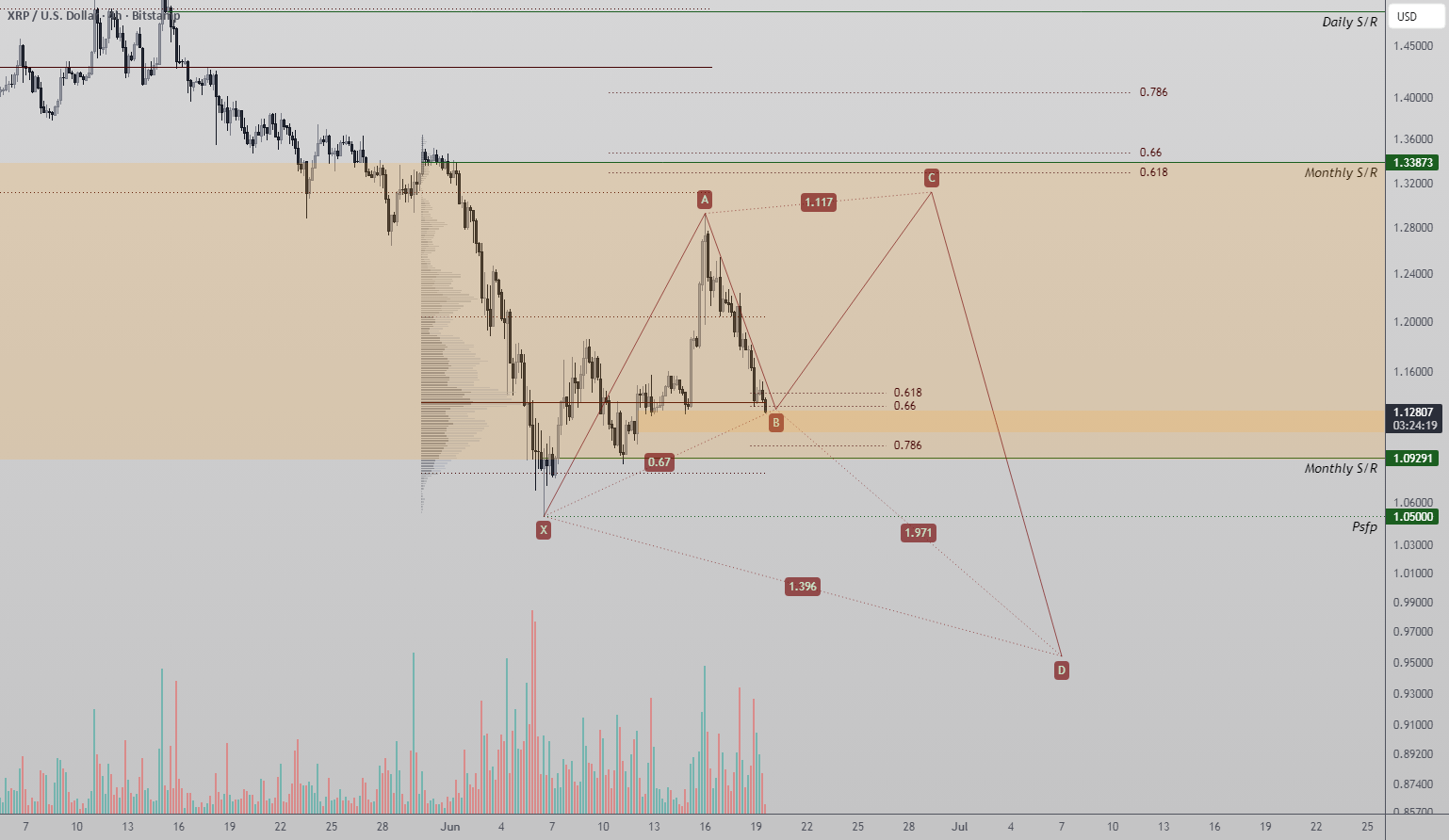
XRP Reversal Setup Forms Around Harmonic Pattern And Key Support Zone
A TradingView analyst says XRP is testing a technically important support zone s...