Stablecoin Panic? Professor Says Banks Are Chasing Myths, Not Facts
Alex Smith
5 months ago
Columbia Business School adjunct professor Omid Malekan challenged what he called five common banking-industry misunderstandings about stablecoin yields as Congress moves a market structure bill toward markup this month.
He pushed back on claims that stablecoins will automatically drain bank deposits or collapse lending, and argued the real fight is over who receives interest on the reserves that back those tokens.
“I’m disappointed that market structure legislation seems to be held up by the stablecoin yield issue,” he said. “Most of the concerns bouncing around Washington are based on unsubstantiated myths,” Malekan added.
Misconceptions About Stablecoin Yields
Based on reports, Malekan listed five specific points where industry talking points have wandered from the facts. He said stablecoins are fully reserved in many cases, and that issuers often park reserves in Treasury bills and bank accounts — activity that can feed, not sap, banking business.
I am disappointed that market structure legislation seems to be held up by the stablecoin yield issue. Most of the concerns bouncing around Washington are based on unsubstantiated myths.
So I’ve written a new article tackling the 5 biggest. They include:
1) Whether stablecoins… https://t.co/U2fQcPNZyV
— Omid Malekan (@malekanoms) January 12, 2026
He also noted that much US credit is delivered outside community banks, through money market funds and private lenders, so the link between stablecoins and bank lending is not as direct as some industry statements imply.
Banks Press Lawmakers Over Yield Rules
Lawmakers are racing to settle those questions before a committee markup. The Senate Banking Committee is scheduled to mark up the market structure text on January 15, 2026, and sources say negotiators remain split on whether to restrict third-party yield arrangements tied to stablecoins.
Community banks and trade groups have urged senators to close what they call “yield loopholes,” saying unregulated rewards could lure deposits away and raise liquidity risks.
Who Captures The Interest MattersMalekan focused attention on the distribution of interest from reserve assets. According to his comments, the policy choice is not about banning stablecoins but about deciding whether banks or crypto issuers capture returns on reserves.
If issuers are allowed to share interest or rewards with customers, that could pressure bank profits — a point banks are making loudly in hearings and letters to lawmakers.
File Drafting And Last-Minute HagglingReports have disclosed that committee staff were racing to file a bipartisan market structure text and reconcile yield language ahead of a deadline this week. Negotiations continued into late sessions as senators weighed compromises that could allow some forms of rewards while guarding against run risks and bank disintermediation.
Featured image from Global Finance Magazine, chart from TradingView
Related Articles
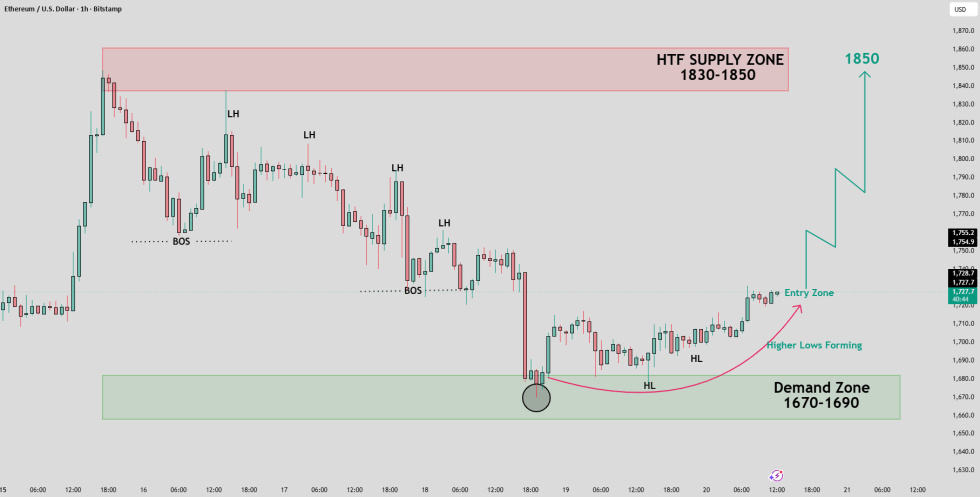
Ethereum Price Setup Targets $1,850 As Buyers Defend Key Demand Zone
A TradingView analyst says Ethereum could target $1,850 if buyers defend the $1,...
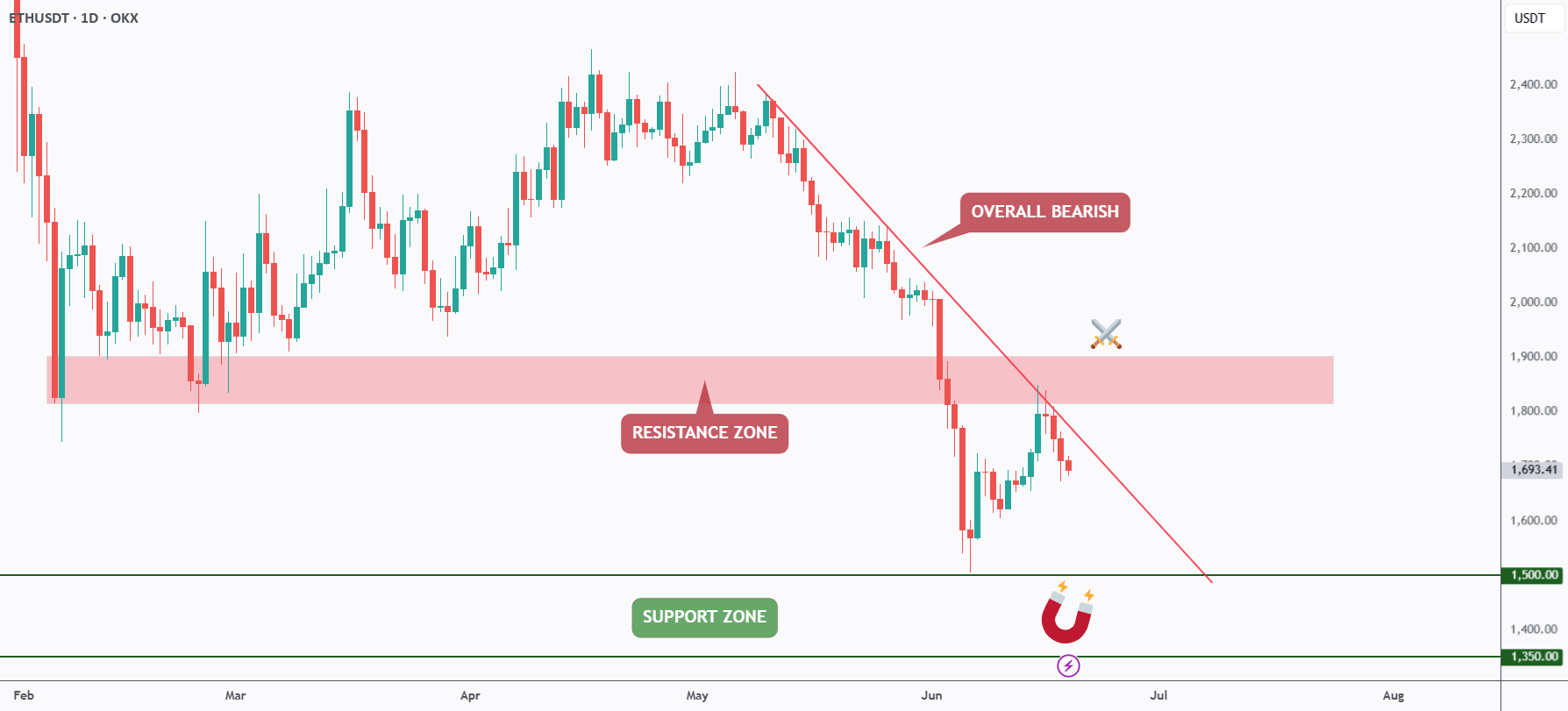
Ethereum Bears Keep Control As ETH Rejects Trendline Resistance
A TradingView analyst says Ethereum remains bearish below a falling trendline, w...
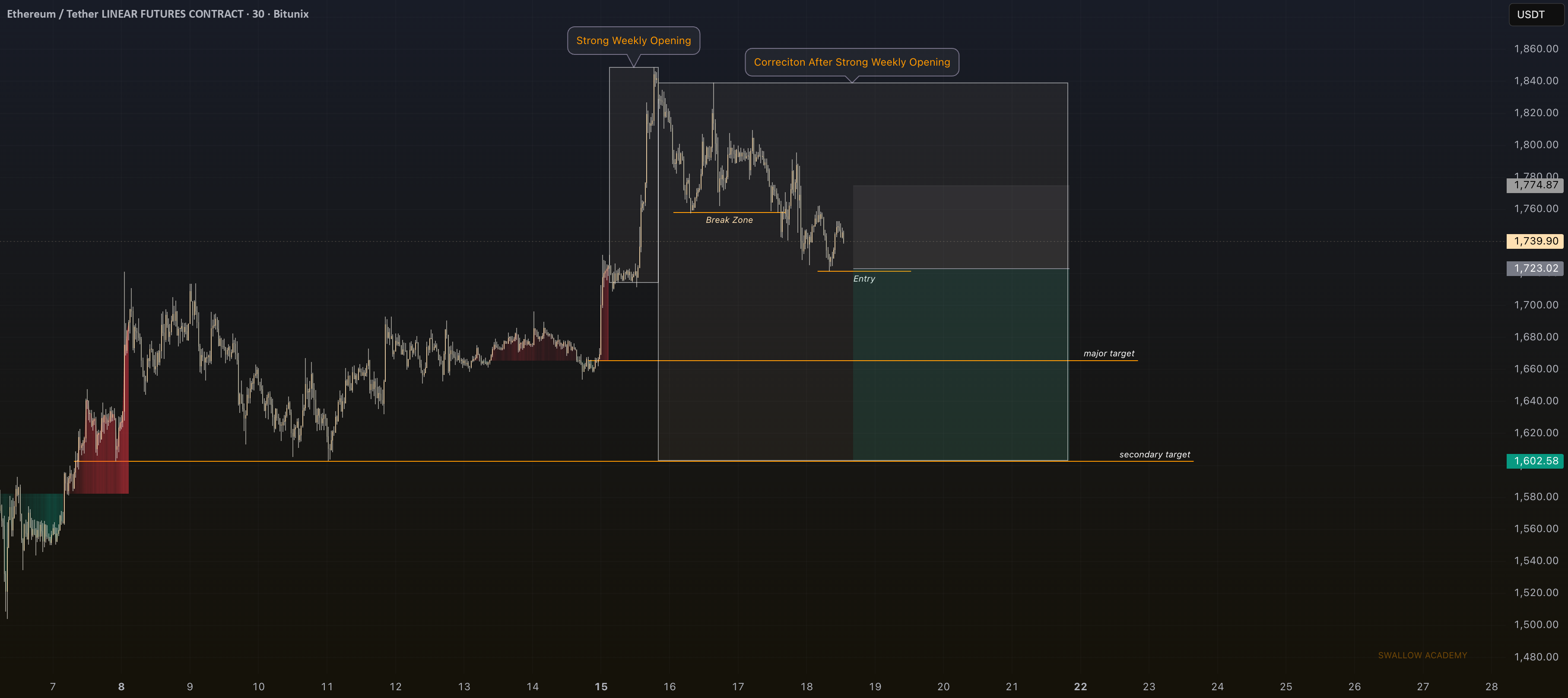
ETH/BTC Ratio Falls Back To Early-2023 Levels As Traders Debate Ethereum Value
An X analyst says ETH/BTC is back near 0.027, while a TradingView chart shows ET...
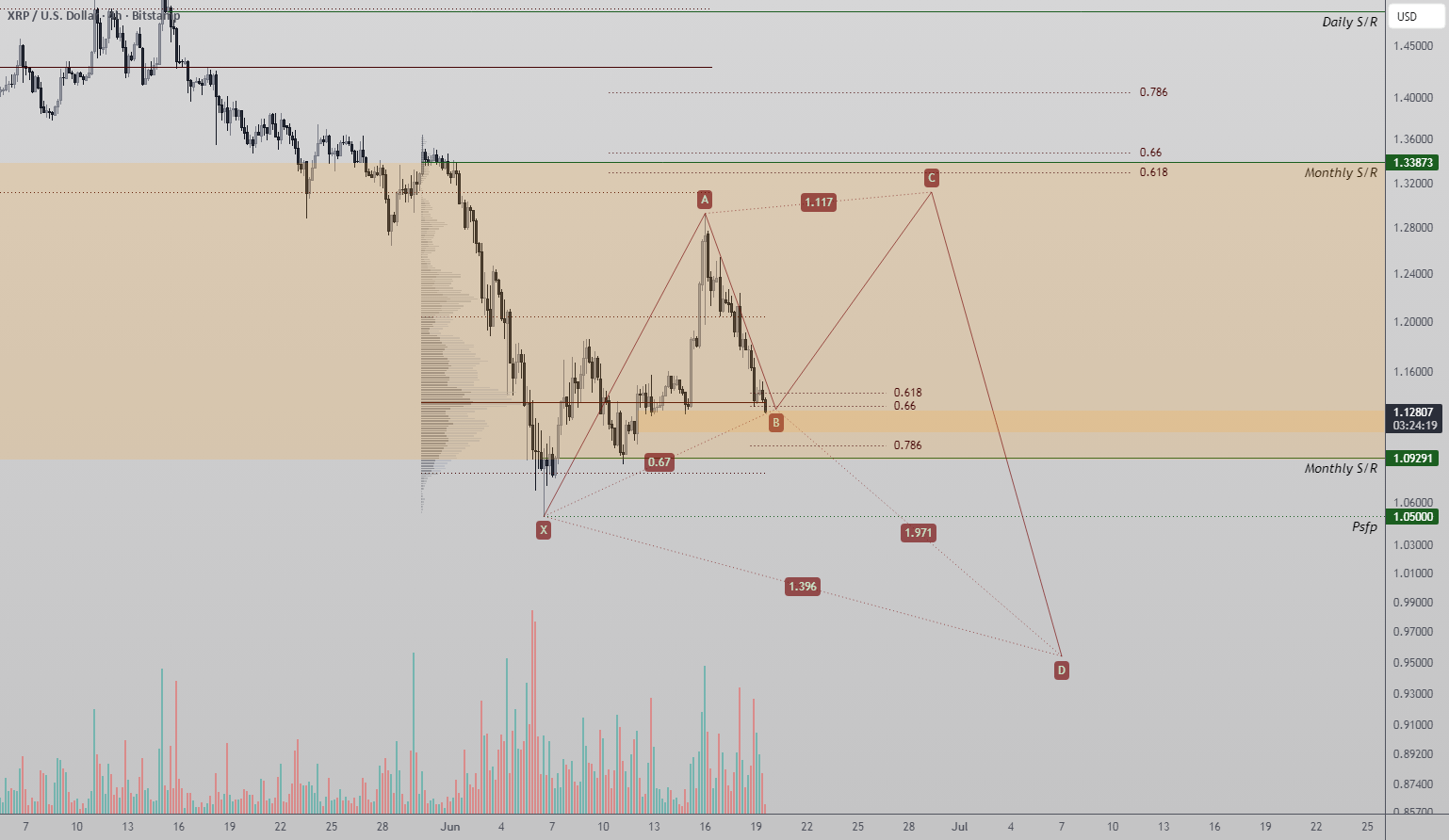
XRP Reversal Setup Forms Around Harmonic Pattern And Key Support Zone
A TradingView analyst says XRP is testing a technically important support zone s...