SEC Files Complaint Against Crypto Exchanges In $14 Million Fraud Scheme
Alex Smith
5 months ago
The US Securities and Exchange Commission (SEC), led by pro-crypto chair Paul Atkins, has filed a significant complaint against a network of alleged crypto exchanges and online investment clubs accused of defrauding victims out of $14 million.
Major Crypto Scam Complaint
The complaint, which was filed in Colorado, identifies four entities that were operating under the guise of investment clubs and primarily used the popular social media app WhatsApp for communication.
The regulator alleges that these clubs falsely presented themselves as being managed by experienced financial professionals, offering what they claimed were valuable investment insights.
Participants were encouraged to invest in three purported crypto trading platforms, described as providing “security token offerings,” which they misleadingly likened to initial public offerings of legitimate company shares.
However, the Securities and Exchange Commission contends that those who bought into these so-called crypto investments were merely handing their money over to con artists.
“This was an elaborate confidence scam,” stated the SEC in its complaint, emphasizing that the investors’ assets were never invested as promised but were misappropriated from the very beginning.
Among the accused, one investment club, AI Investment Education, was registered with the SEC as an investment advisory firm. However, a phone number associated with the firm is currently out of service, and the regulatory filing indicated that it had no assets under management.
The other investment clubs named in the complaint include AI Wealth, Lane Wealth, and Zenith Asset Tech Foundation. The accused crypto trading platforms are Morocoin Tech, Berge Blockchain Technology, and Cirkor.
SEC Details Multistep Scheme
The scammers allegedly lured participants with promises of artificial intelligence-generated investment tips. Victims were persuaded to fund accounts on the fake trading platforms, which were falsely claimed to possess government licenses.
To expand their fraudulent agenda, the scammers implemented a tactic whereby victims wishing to withdraw their funds were required to pay fees upfront. According to the complaint, no withdrawal requests were ever fulfilled.
The SEC reports that the $14 million disappeared overseas, funneled through a complex web of bank accounts and cryptocurrency wallets.
Laura D’Allaird, the chief of the SEC’s Cyber and Emerging Technologies Unit, asserts that this case exemplifies a prevalent type of confidence scheme targeting investors and leading to “devastating consequences.” D’Allaird elaborated on the mechanics of the fraud, stating”
Our complaint alleges a multistep fraud that attracted victims through social media advertisements, built trust in group chats where fraudsters posed as financial professionals, and ultimately led victims to invest their money into nonexistent crypto asset trading platforms where it was misappropriated.
Featured image from DALL-E, chart from TradingView.com
Related Articles
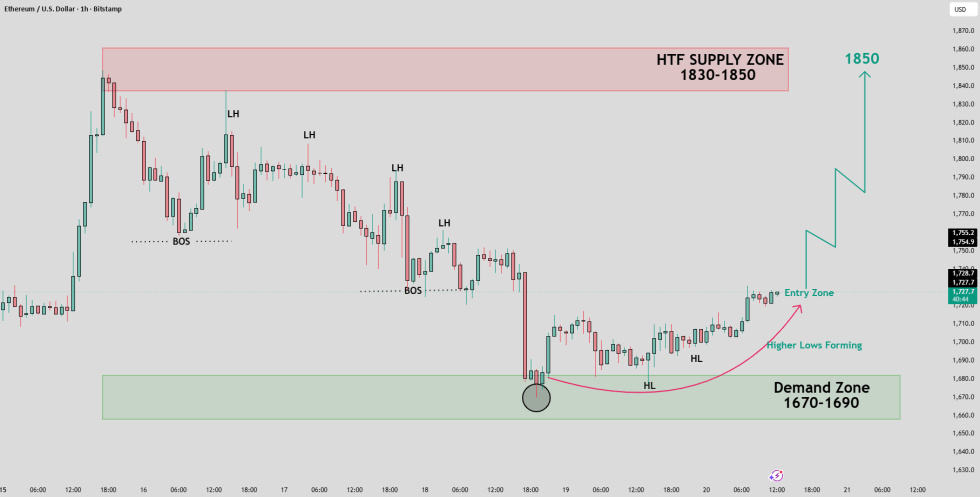
Ethereum Price Setup Targets $1,850 As Buyers Defend Key Demand Zone
A TradingView analyst says Ethereum could target $1,850 if buyers defend the $1,...
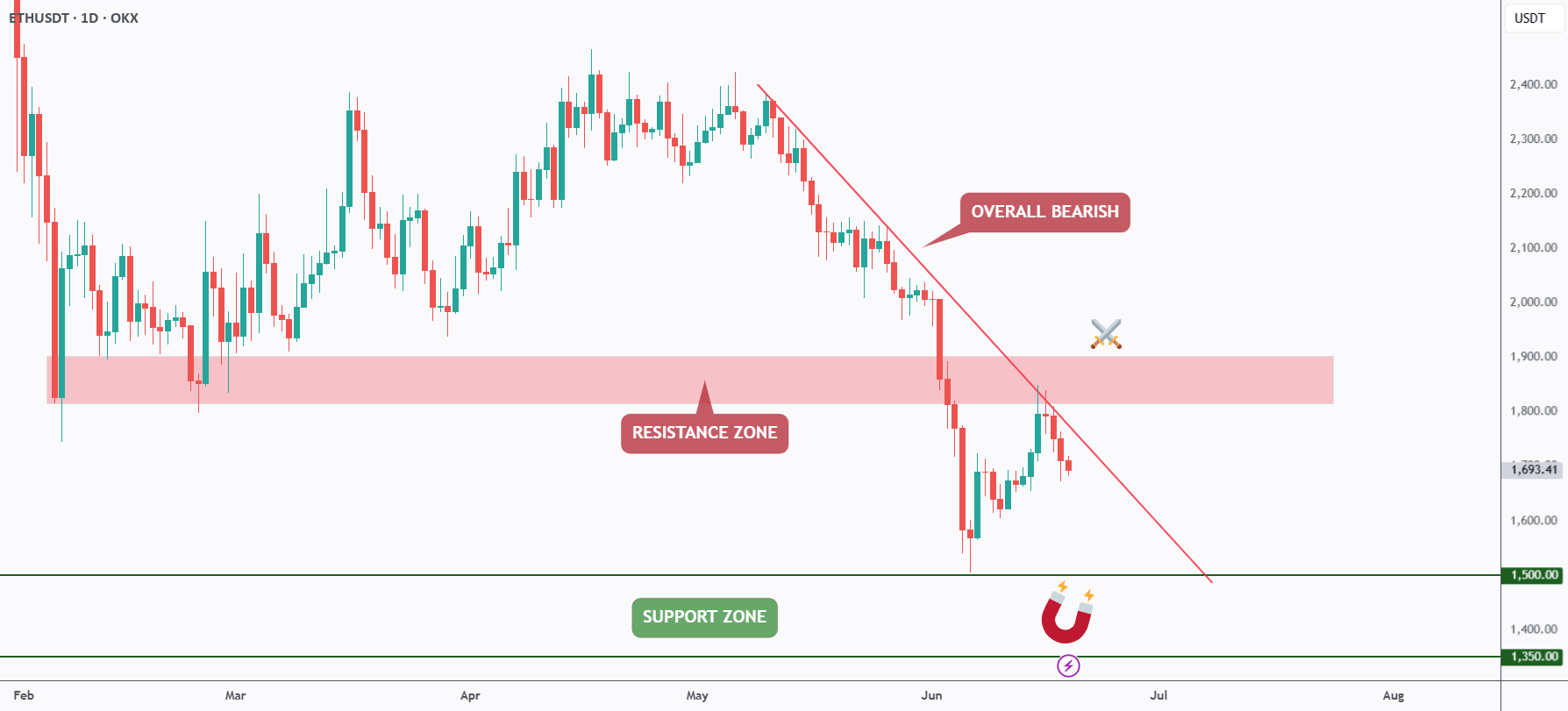
Ethereum Bears Keep Control As ETH Rejects Trendline Resistance
A TradingView analyst says Ethereum remains bearish below a falling trendline, w...
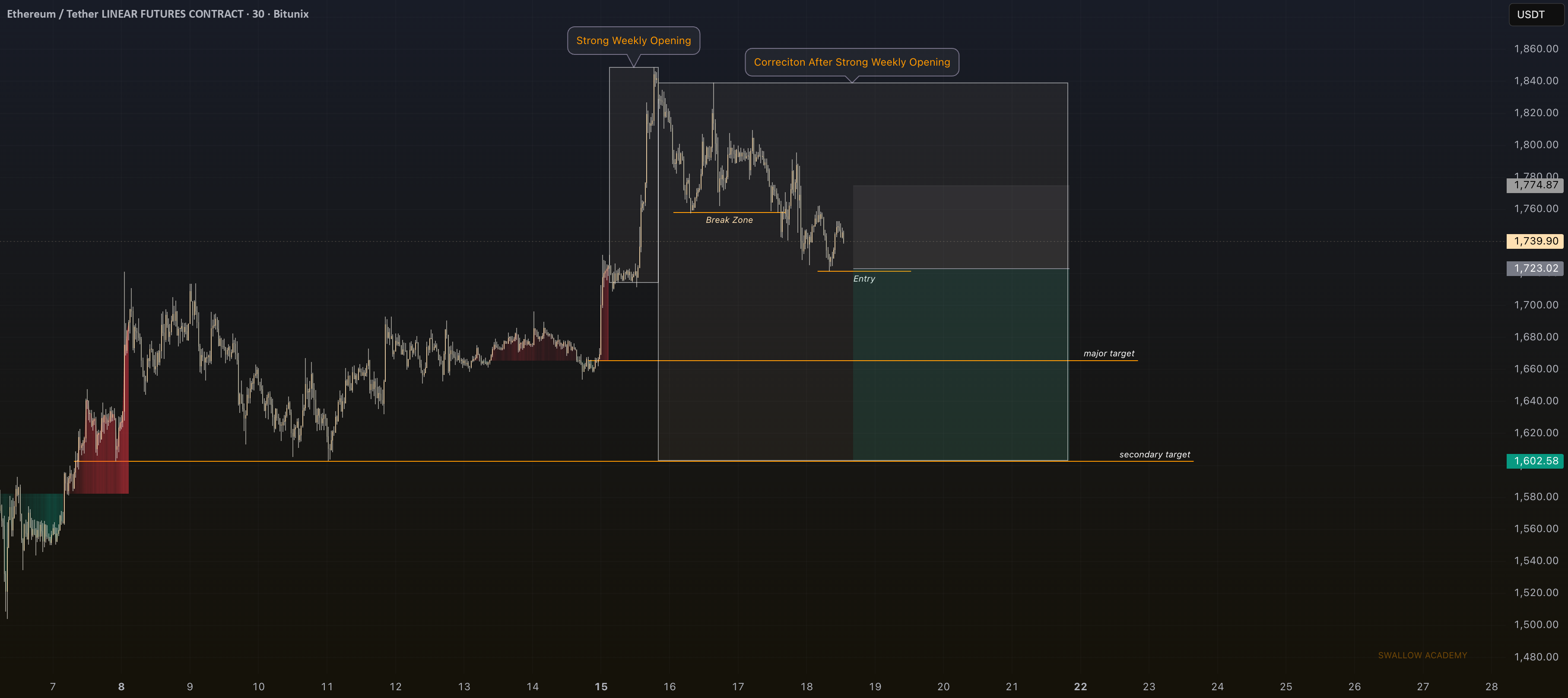
ETH/BTC Ratio Falls Back To Early-2023 Levels As Traders Debate Ethereum Value
An X analyst says ETH/BTC is back near 0.027, while a TradingView chart shows ET...
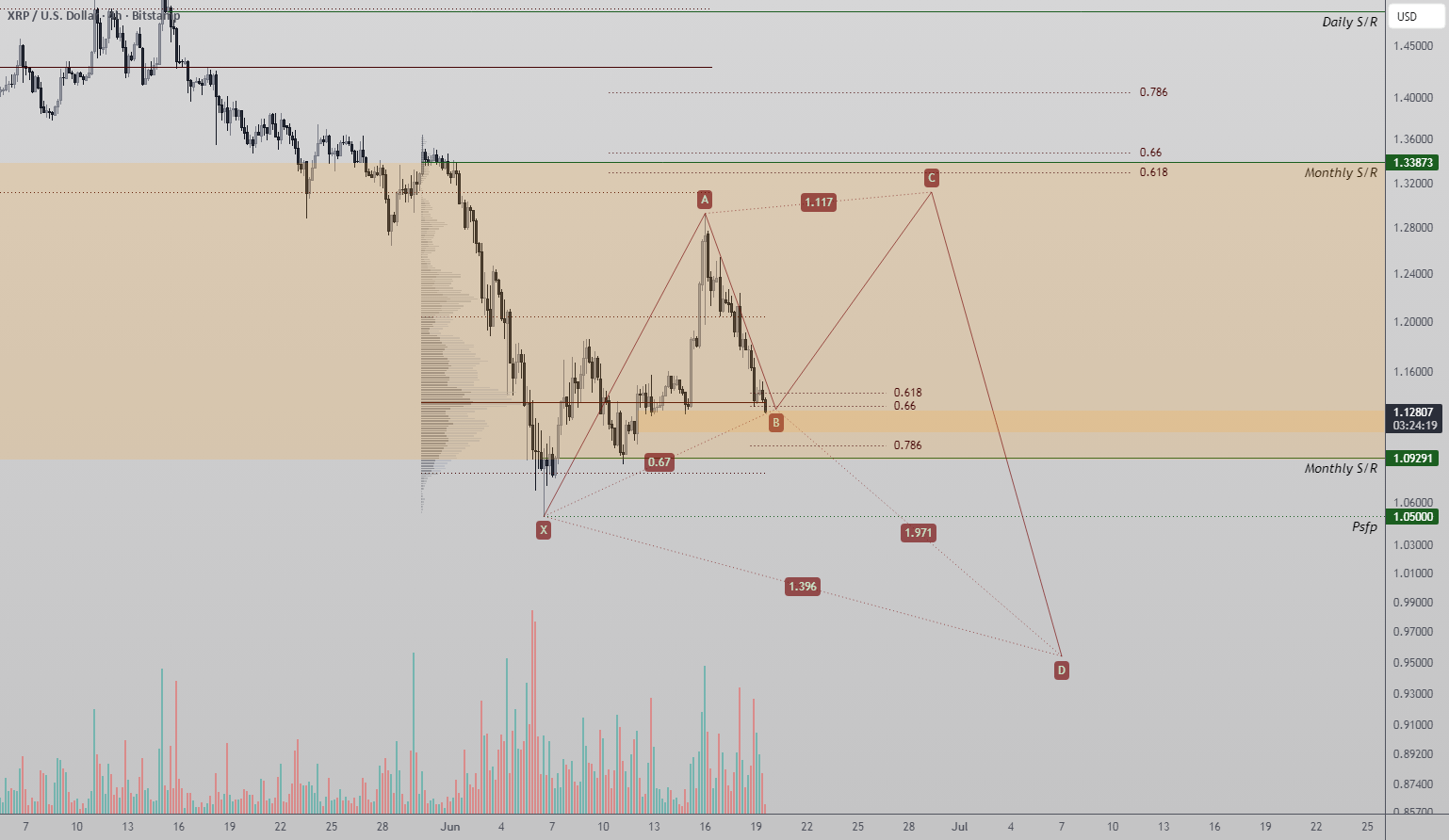
XRP Reversal Setup Forms Around Harmonic Pattern And Key Support Zone
A TradingView analyst says XRP is testing a technically important support zone s...