Ripple Wins Another XRP Lawsuit: Court Throws Out Class Action
Alex Smith
4 months ago
Ripple scored another courtroom win tied to XRP sales, after the US Court of Appeals for the Ninth Circuit affirmed summary judgment against investors who alleged the company sold unregistered securities, ruling the federal Securities Act claims were time-barred by the statute of repose.
In a not-for-publication memorandum filed Jan. 27, 2026, a three-judge panel upheld the Northern District of California’s decision that the three-year repose period in Section 13 of the Securities Act had already run by the time the class action was filed.
Ripple Wins: Court Punts XRP Securities Claims
The case was led by Bradley Sostack, who purchased XRP in January 2018 on Poloniex. The underlying class complaint was filed later in 2018; Sostack was appointed lead plaintiff in 2019 and amended the complaint in 2020.
At the center of the appeal was when XRP was “bona fide offered to the public” for purposes of the Securities Act’s repose clock. The ruling sided with Ripple, pointing to early XRP distribution and trading activity tied to the XRP Ledger’s built-in exchange.
“According to the record in this case, Ripple was offering XRP to the public as early as 2013. It is undisputed that Ripple sold over 500 million XRP on the Ledger’s built-in digital asset exchange. Those offers were made ‘to the public’ even if only technologically sophisticated consumers could navigate the Ledger to purchase XRP.”
That framing mattered because Section 13’s statute of repose is unforgiving: once the three years run from the first public offering, later buyers can’t revive a federal Section 12(a)(1) registration claim by filing years afterward. The district court had reached the same conclusion in its June 20, 2024 summary judgment order on the federal class claims.
Sostack’s primary effort to avoid the time bar was to argue Ripple’s conduct in 2017, when the company began releasing its XRP holdings in monthly tranches, amounted to a separate, later offering (or effectively a new investment contract) that should restart the clock.
The panel rejected that attempt to split the timeline, emphasizing the nature of the asset itself and the absence of a factual dispute that the 2013 and 2017 activity should be treated as distinct offerings.
“But Sostack has failed to raise a material issue of fact that the 2013 offering and the 2017 offering were separate offerings. The nature of XRP did not change between 2013 and 2017; all XRP cryptocurrency remained fungible and interchangeable.”
With no separate-offering finding, the panel held the repose period began with the 2013 public offering, leaving the 2018/2019 filings outside the window and affirming judgment for Ripple. The decision is also procedurally narrow: because the district court’s Rule 54(b) certification covered only certain claims, the Ninth Circuit said it was limiting its ruling accordingly.
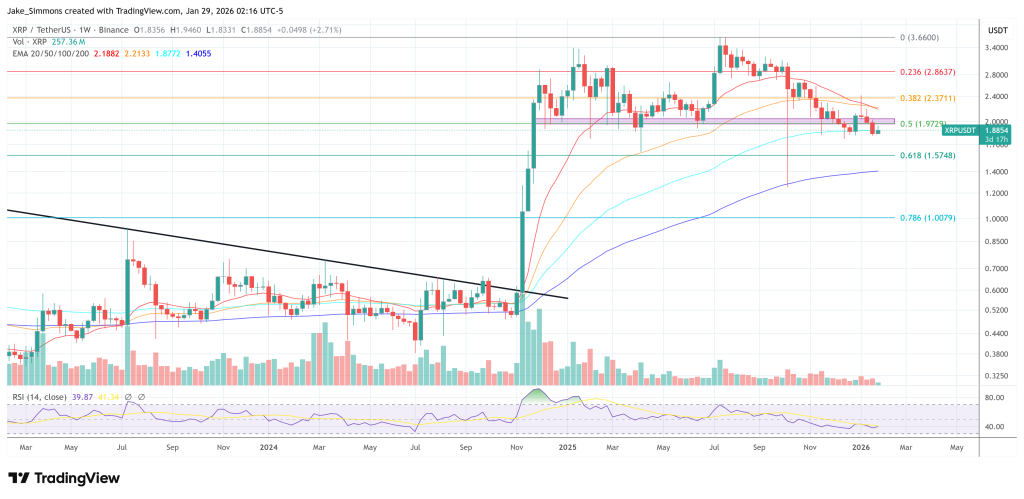
At press time, XRP traded at $1.88.
Related Articles
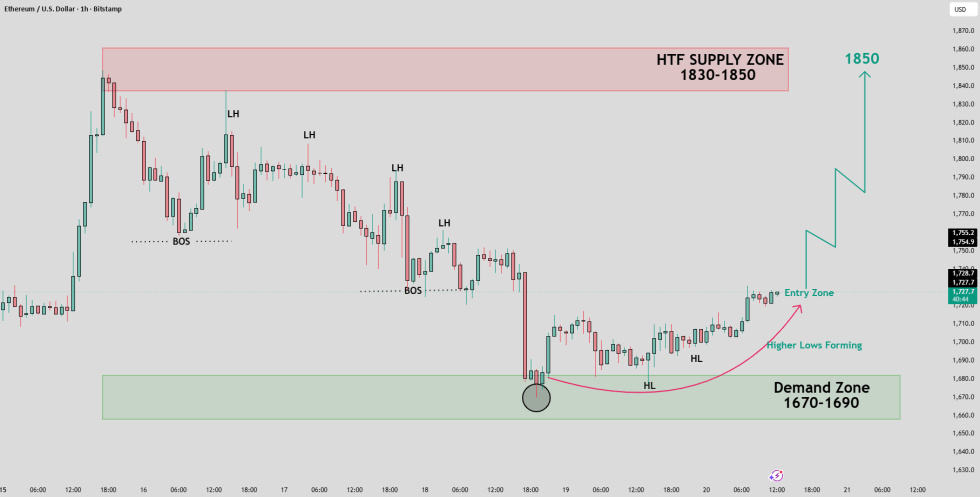
Ethereum Price Setup Targets $1,850 As Buyers Defend Key Demand Zone
A TradingView analyst says Ethereum could target $1,850 if buyers defend the $1,...
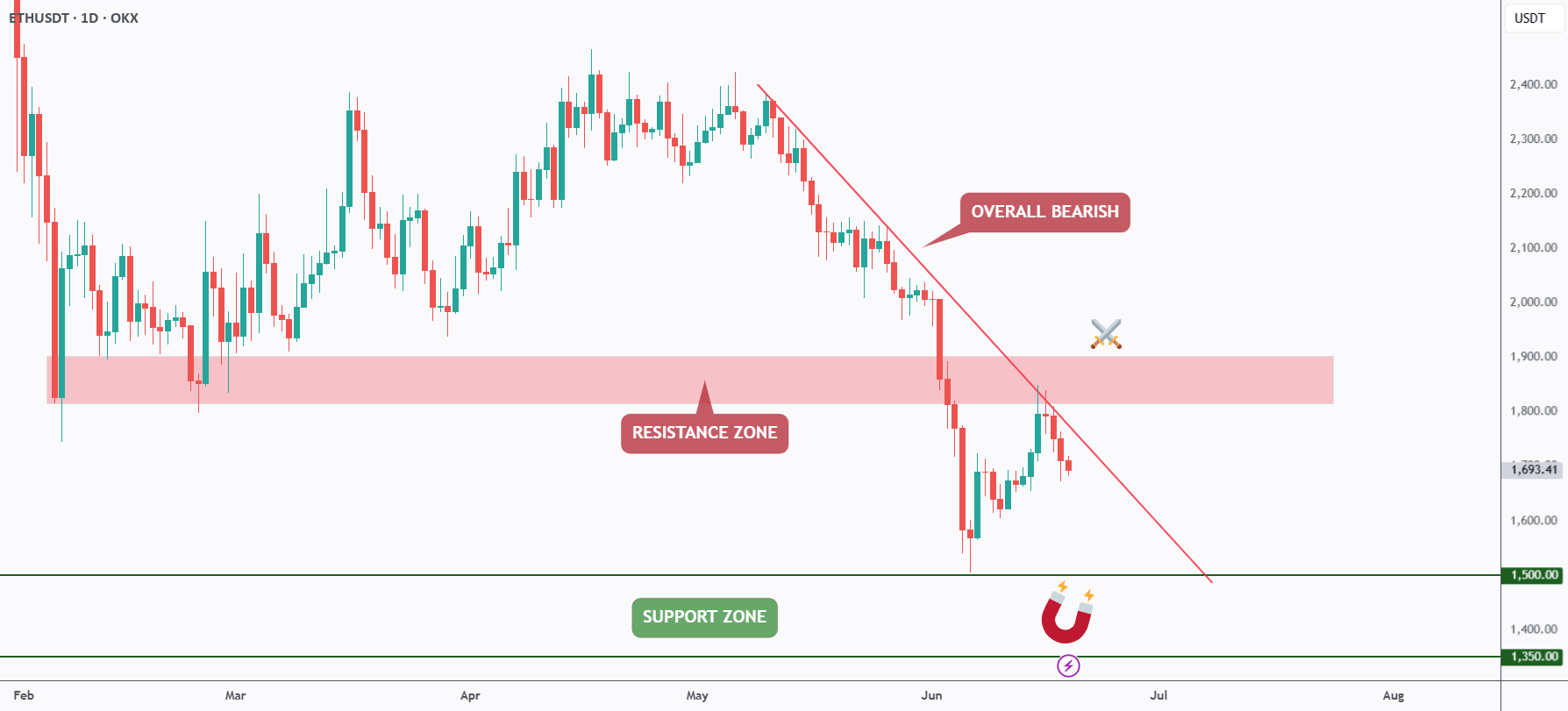
Ethereum Bears Keep Control As ETH Rejects Trendline Resistance
A TradingView analyst says Ethereum remains bearish below a falling trendline, w...
ETH/BTC Ratio Falls Back To Early-2023 Levels As Traders Debate Ethereum Value
An X analyst says ETH/BTC is back near 0.027, while a TradingView chart shows ET...
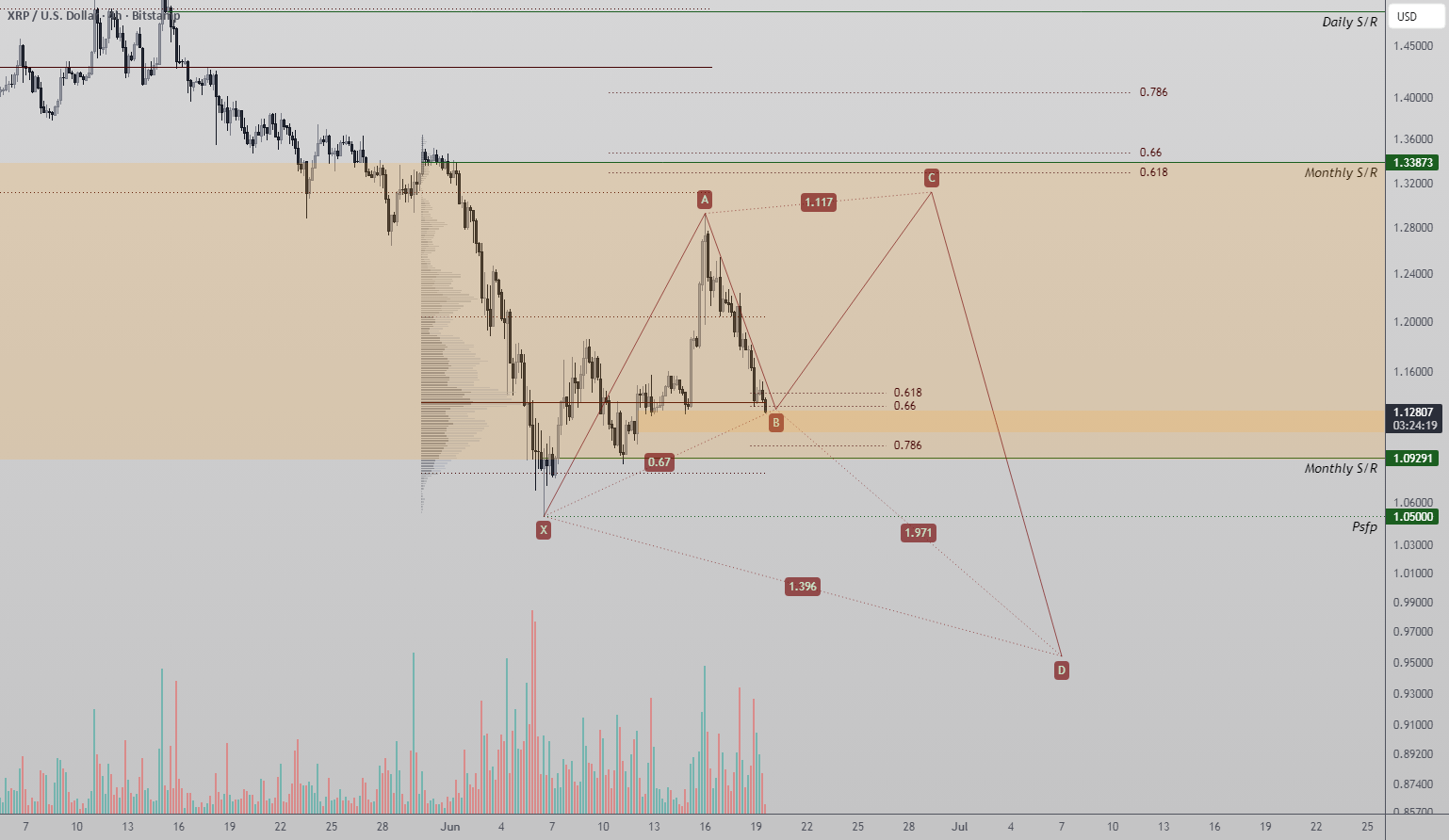
XRP Reversal Setup Forms Around Harmonic Pattern And Key Support Zone
A TradingView analyst says XRP is testing a technically important support zone s...