OCC Highlights Major Concerns Over Crypto Debanking Practices Among Major Banks
Alex Smith
6 months ago
On Wednesday, the Office of the Comptroller of the Currency (OCC) released findings that have raised alarm bells regarding crypto debanking, reigniting fears of what some are dubbing “Operation Chokepoint 2.0” within the financial sector.
This supervisory review focused on nine of the largest national banks under OCC supervision, including JPMorgan Chase, Bank of America, Citibank, Wells Fargo, US Bank, Capital One, PNC Bank, TD Bank, and BMO Bank.
‘Harmful Debanking Policies’
The preliminary findings from the OCC reveal troubling trends: between 2020 and 2023, these banks appeared to make unwarranted distinctions among customers based on their legal business activities.
Specifically, many of these institutions maintained policies that either restricted access to financial services or required heightened scrutiny and approvals for certain clients.
The OCC identified examples where at least one bank imposed limitations on various sectors, including crypto, due to their engagement in activities considered “contrary to [the bank’s] values,” even though those activities were not illegal.
Sectors affected by these policies included oil and gas exploration, coal mining, firearms, private prisons, tobacco and e-cigarettes, adult entertainment, and notably, digital assets.
The findings indicated that many banks placed strict limitations on crypto-related activities as well, which often stemmed from concerns about financial crime.
These practices, the OCC confirmed, were prevalent at each of the banks examined in the review. Comptroller Jonathan V. Gould expressed frustration regarding the situation, stating:
It is unfortunate that the nation’s largest banks thought these harmful debanking policies were an appropriate use of their government-granted charter and market power.
Gould noted that while many of these policies were publicly announced, some banks have maintained that they did not participate in debanking.
In his comments, Comptroller Gould emphasized the OCC’s commitment to eliminating practices that would “weaponize finance,” whether instigated by regulators or the banks themselves.
National Banks To Facilitate Crypto Transactions
The agency disclosed that it is still evaluating “thousands of complaints” related to allegations of political and religious debanking, with plans to report on these findings “in due course.” The OCC aims to hold banks accountable for these actions and ensure that unlawful debanking practices do not persist.
This follows Tuesday’s letter from the banking regulator that allows national banks to participate in “riskless principal transactions” involving cryptocurrencies. This permits national banks to buy and sell cryptocurrencies for their customers’ accounts.
This new structure allows users to transact in crypto-assets through established national banks, resulting in a more regulated environment than exchanges that operate outside of strict oversight regulation.
Featured image from DALL-E, chart from TradingView.com
Related Articles
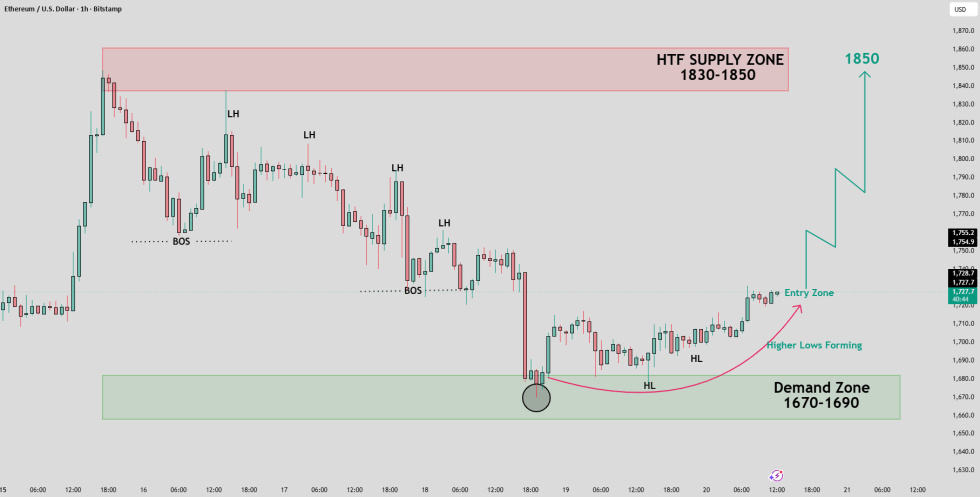
Ethereum Price Setup Targets $1,850 As Buyers Defend Key Demand Zone
A TradingView analyst says Ethereum could target $1,850 if buyers defend the $1,...
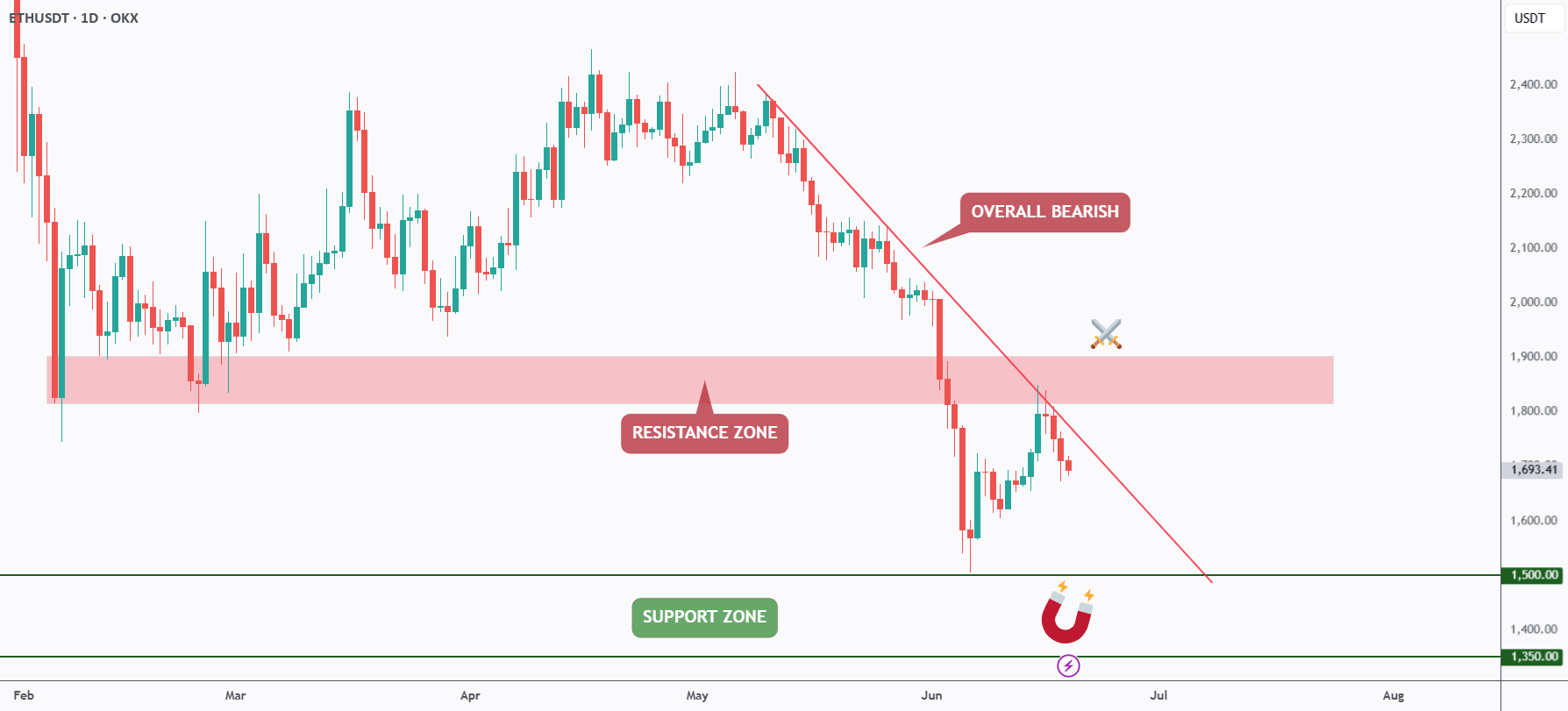
Ethereum Bears Keep Control As ETH Rejects Trendline Resistance
A TradingView analyst says Ethereum remains bearish below a falling trendline, w...
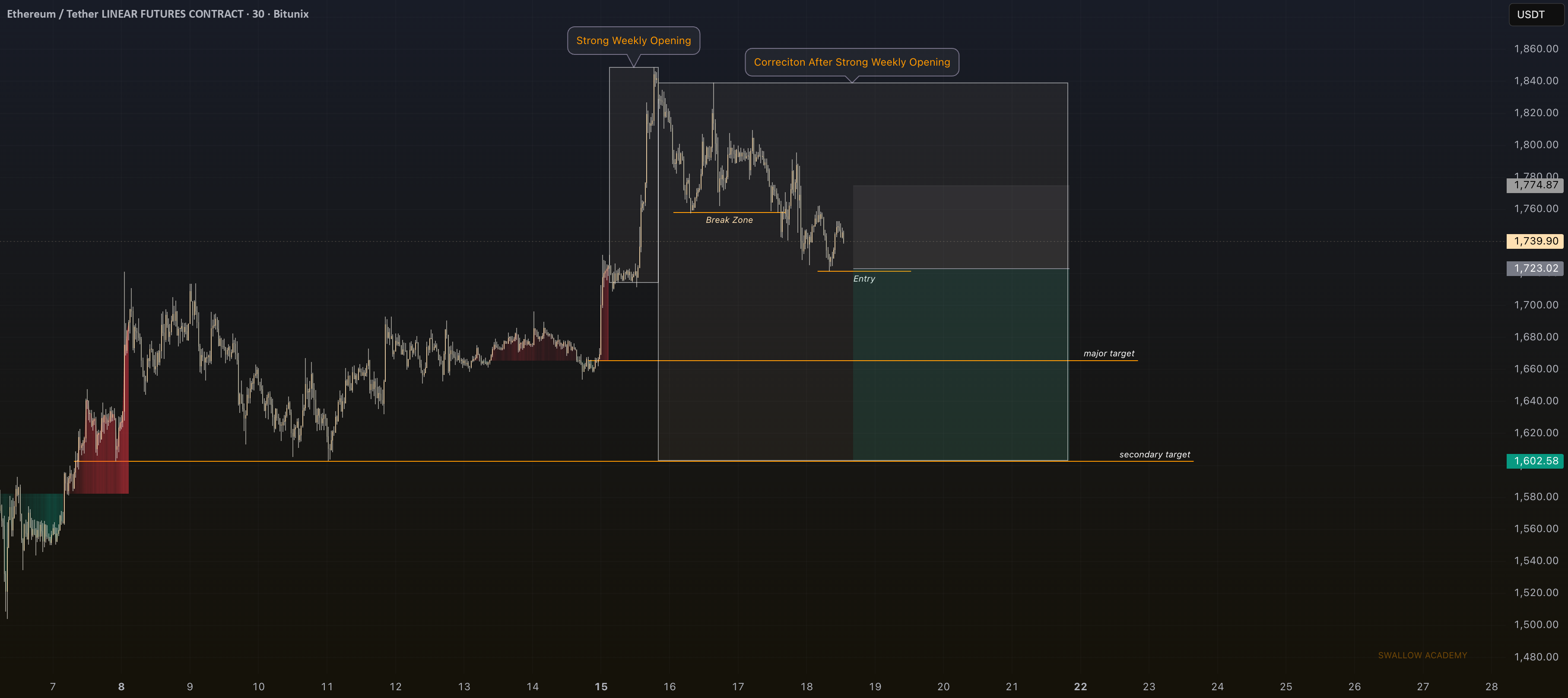
ETH/BTC Ratio Falls Back To Early-2023 Levels As Traders Debate Ethereum Value
An X analyst says ETH/BTC is back near 0.027, while a TradingView chart shows ET...
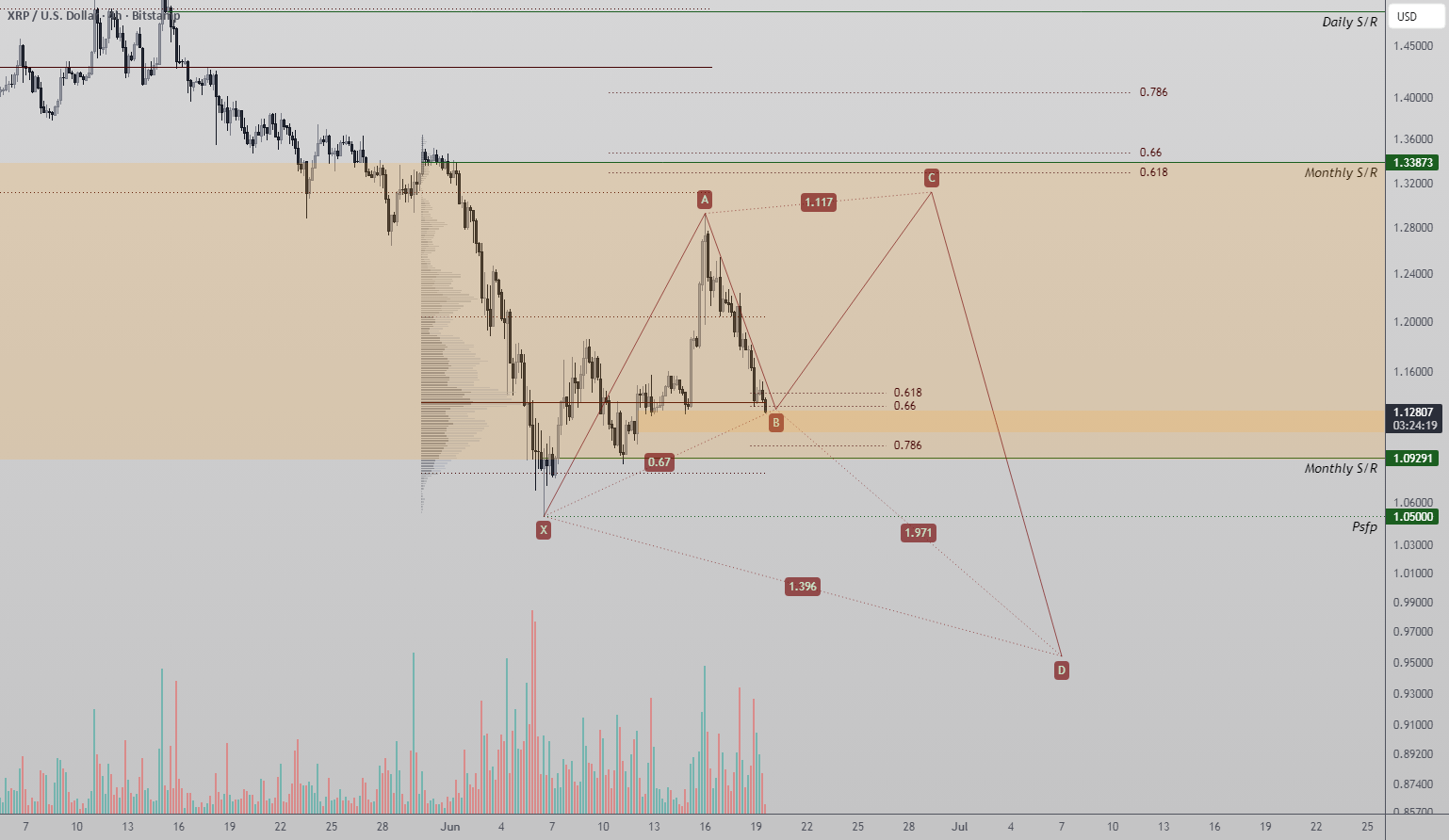
XRP Reversal Setup Forms Around Harmonic Pattern And Key Support Zone
A TradingView analyst says XRP is testing a technically important support zone s...