Internal Data Leak Exposes Binance’s Oversight Failures On ‘Suspicious Accounts’
Alex Smith
5 months ago
The Financial Times has recently reported on alleged compliance breaches at Binance, with leaked internal documents revealing that hundreds of millions of dollars have flowed through accounts flagged for suspicious activity, despite the exchange having committed to enhancing its controls as part of a 2023 settlement with US authorities.
Former Prosecutor Flags Binance Activity As Suspicious
According to the data reviewed by the Financial Times, multiple accounts associated with alarming red flags—such as links to terror financing, unusual login patterns, and failed identity verifications—continued to operate after the firm’s plea agreement.
Among the accounts flagged, 13 suspicious accounts processed $1.7 billion in transactions, with $144 million occurring after the settlement was reached.
One particularly questionable account received over $177 million in crypto across two years, exhibiting suspicious behavior like changing its banking details 647 times in just 14 months, cycling through 496 unique accounts across the Americas.
Stefan Cassella, a former federal prosecutor, remarked, “That qualifies as suspicious. It looks like someone is acting as a money-transmitting business.”
Further deepening the controversy is an account who moved $93 million through Binance between 2021 and 2025. Part of this money allegedly derived from a network later accused by US officials of covertly transferring funds for Iran and the Lebanese group Hezbollah.
Exchange Claims Robust Compliance Measures
The leaked documents also show that all 13 accounts received a combined total of $29 million in Tether’s USDT stablecoin from accounts that Israel subsequently froze under anti-terrorism laws.
Nearly all of these transactions stemmed from four crypto wallets tied to Tawfiq Al-Law, a Syrian alleged to have funneled funds for Hezbollah and Iran-backed Houthi forces. Israel seized these accounts in May 2023, and the US Treasury sanctioned Al-Law in March 2024.
In response to these allegations, Binance asserted that it “maintains strict compliance controls and a zero-tolerance approach to illicit activity,” claiming that it has “robust systems in place to flag and investigate suspicious transactions.”
Following the settlement, both the Justice Department and Treasury appointed independent monitors in May 2024 to oversee Binance’s compliance measures. However, many of the transactions the FT examined occurred after this oversight began.
Jessica Davis, a former intelligence official from Canada, noted that “a relaxed compliance environment” followed President Trump’s pardon for Binance’s former CEO Changpeng Zhao (CZ) earlier this year. Davis claimed:
Previously, the incentive was: keep your CEO out of jail. Yes, there are fines, but part of the problem is that we’re just talking about so much money being made on these platforms that even a billion-dollar fine becomes fairly meaningless.
At the time of writing, the exchange’s native token, BNB, was trading at $867.42. This is over 37% lower than its all-time high of $1,369, which was reached in October of this year.
Featured image from DALL-E, chart from TradingView.com
Related Articles
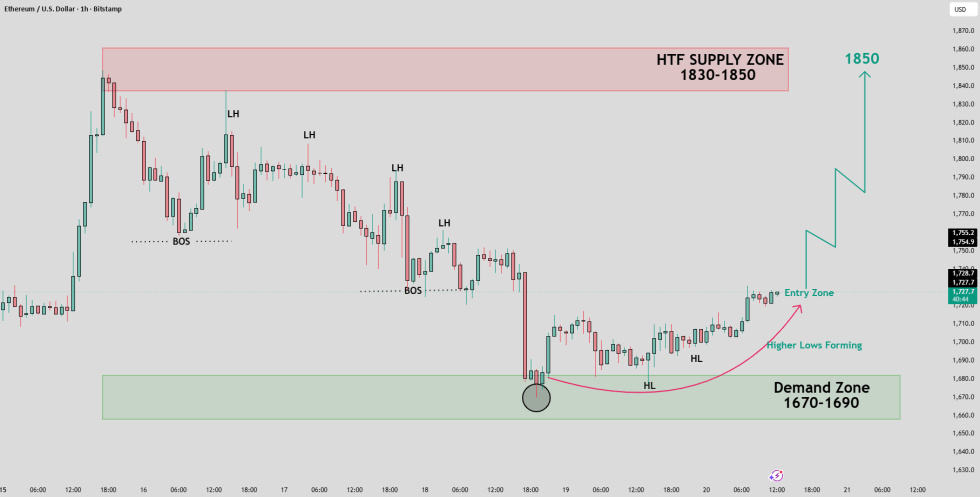
Ethereum Price Setup Targets $1,850 As Buyers Defend Key Demand Zone
A TradingView analyst says Ethereum could target $1,850 if buyers defend the $1,...
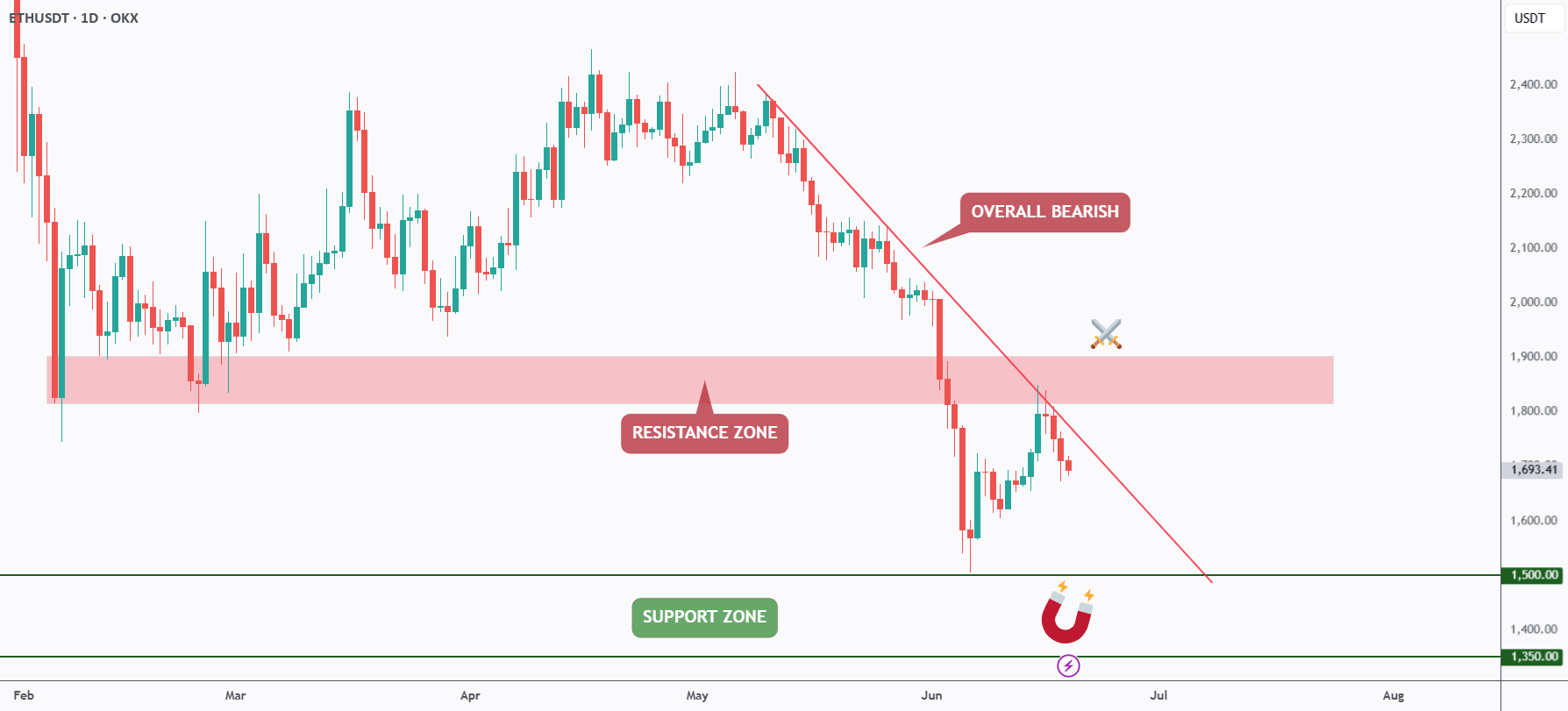
Ethereum Bears Keep Control As ETH Rejects Trendline Resistance
A TradingView analyst says Ethereum remains bearish below a falling trendline, w...
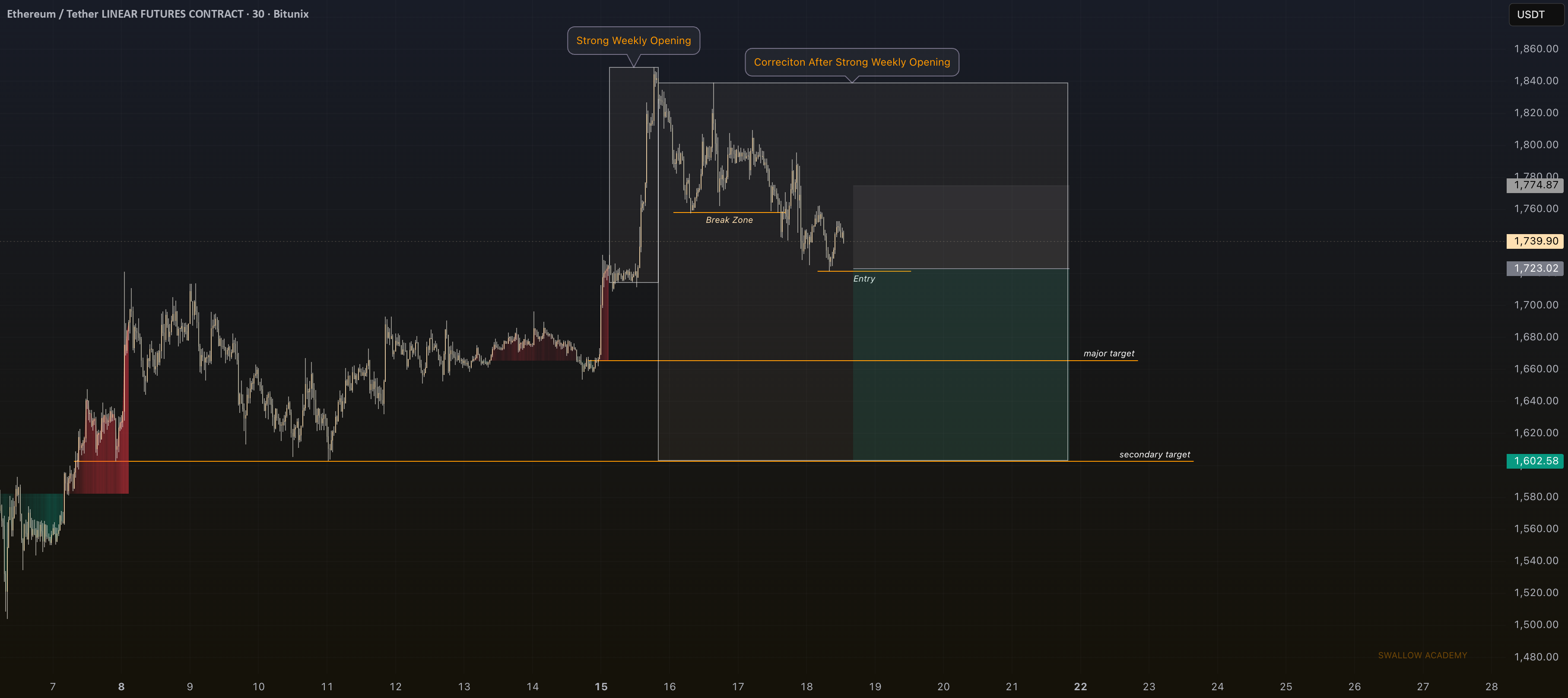
ETH/BTC Ratio Falls Back To Early-2023 Levels As Traders Debate Ethereum Value
An X analyst says ETH/BTC is back near 0.027, while a TradingView chart shows ET...
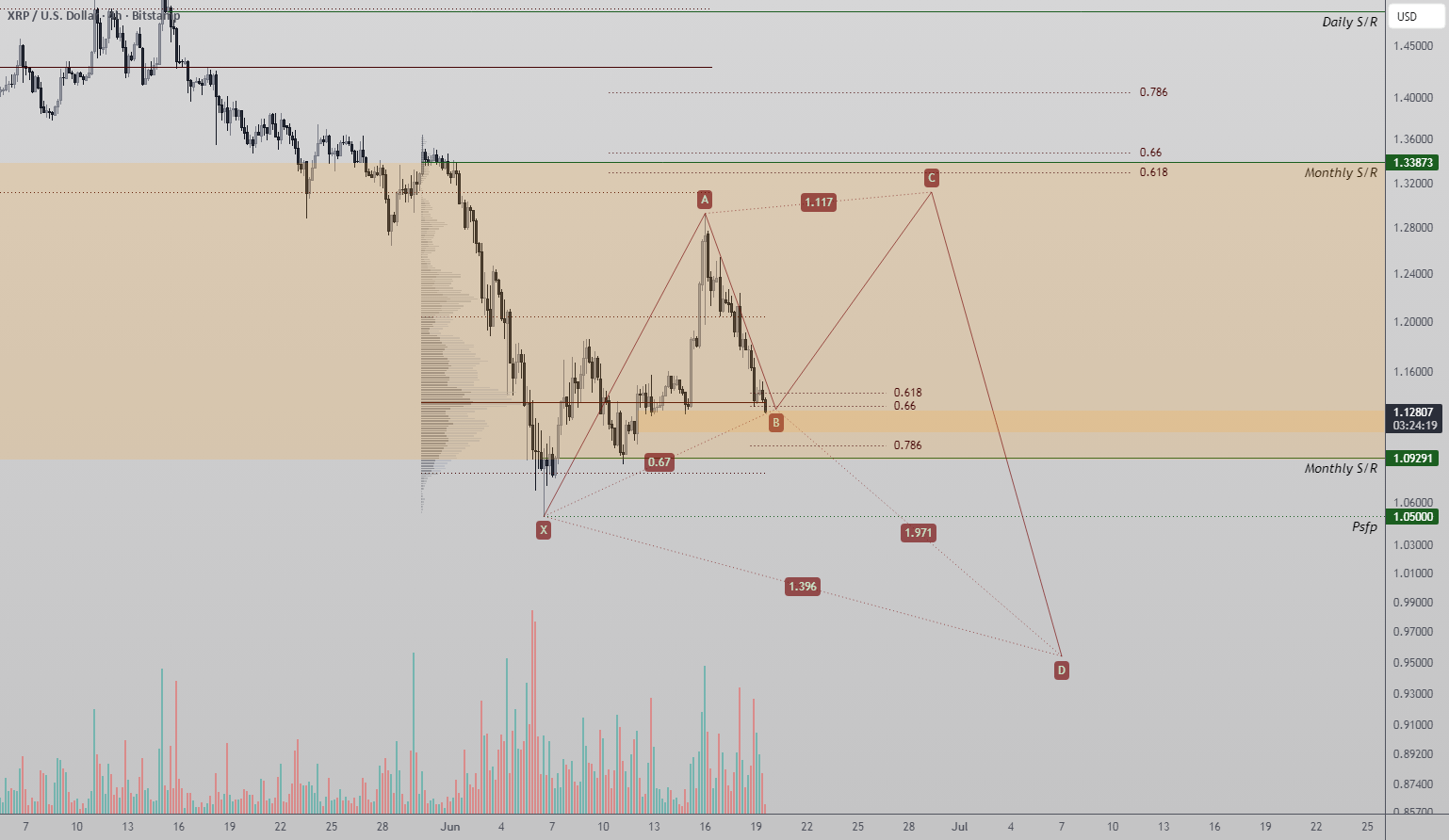
XRP Reversal Setup Forms Around Harmonic Pattern And Key Support Zone
A TradingView analyst says XRP is testing a technically important support zone s...