Gold and Silver Slump Globally as Hawkish Fed Signals Outweigh Middle East Geopolitical Risk
Alex Smith
2 hours ago
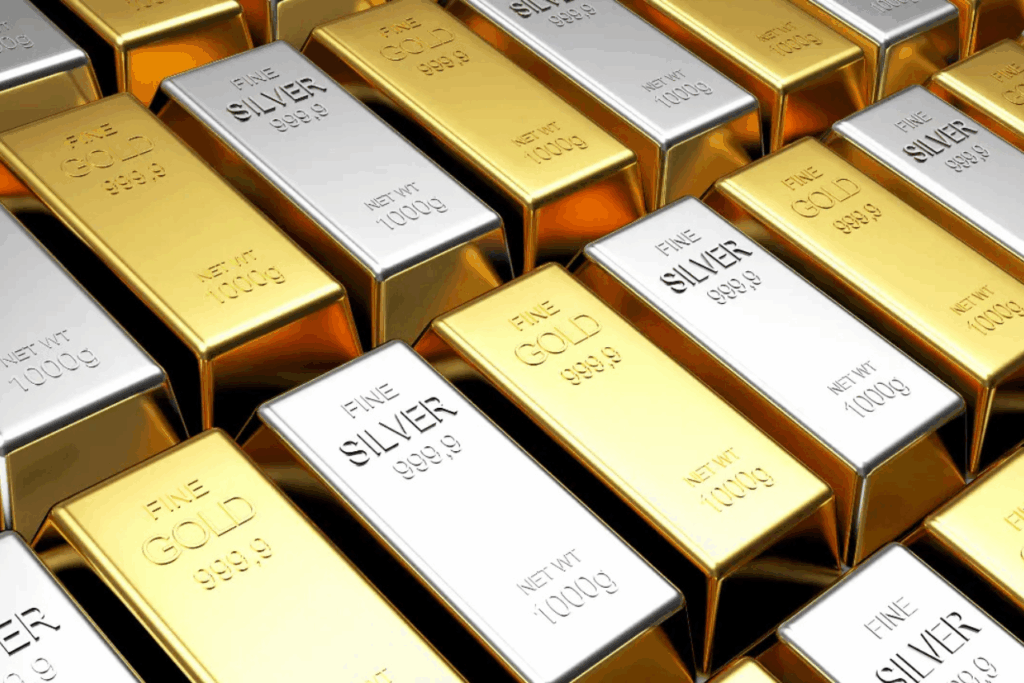
Synopsis:- A fresh flare-up between the US and Iran over the Strait of Hormuz briefly rattled markets over the weekend, but it is the Federal Reserve’s hawkish tone under Chair Kevin Warsh, not the geopolitical risk, that is doing most of the damage to gold and silver prices this week. MCX gold has slipped below Rs. 1,43,500 and silver has eased to around Rs. 2,23,000 a kilogram, even as the structural case for silver demand keeps building underneath the pullback.
Gold and silver extended their slide on June 29, 2026, with both metals giving up ground on the MCX and on international exchanges even as a tense weekend in the Gulf eased into a fragile pause. Bullion’s usual safe-haven instinct has been overridden this week by a more immediate worry: that the Federal Reserve, now under Chair Kevin Warsh, will keep interest rates higher for longer than the market had hoped. That combination, a partial geopolitical de-escalation paired with a hawkish central bank, has left both metals trading lower despite genuine supply-side tightness building in the silver market.
Price Check
On the MCX, August gold futures were changing hands at Rs. 1,43,470 per 10 grams, down 0.48 percent or Rs. 692 on the day, after swinging between an intraday high of Rs. 1,44,180 and a low of Rs. 1,43,454. September silver futures fell a more modest 0.13 percent to Rs. 2,23,174 per kilogram, inside a Rs. 2,22,641 to Rs. 2,24,248 range. Internationally, COMEX gold was down 0.41 percent at $4,078 an ounce, while COMEX silver underperformed, down more than 1 percent at $58.52 an ounce, a sharper fall than gold’s that points to silver’s longer positioning being unwound faster than gold’s.
The Iran Factor and Its Limits
Fresh exchanges between the US and Iran around the Strait of Hormuz over the weekend, with Iran reportedly targeting shipping and military sites in Kuwait and Bahrain and the US striking back, pushed crude oil prices higher before both sides agreed to a temporary halt ahead of planned talks in Doha. In a typical risk-off episode, that kind of headline would send gold higher. Here, the oil bounce works against the metal instead: higher crude raises the odds of energy-driven inflation, and that strengthens the case for the Fed to hold rates up rather than cut them. Gold’s hedge against war is, in this instance, being outweighed by its vulnerability to higher real rates.
A Hawkish Fed Under Warsh
The Fed under Warsh has stayed firmly hawkish, with the latest PCE inflation reading at 4.1 percent, in line with already-elevated expectations. The CME FedWatch Tool now prices in a 62 to 63 percent probability of a rate hike in September and an 80 percent chance of one more by December. Because gold and silver pay no yield, every basis point of additional expected tightening raises the opportunity cost of holding them relative to short-term government debt, and that opportunity cost has become the dominant story line over the past few sessions.
It also matters that the new chair has gone out of his way to sound unlike the rate-cut path the White House has pushed for; a Fed seen as independent and inflation-focused gives this hawkish repricing more staying power than it might otherwise have.
Dollar and Yields Add to the Pressure
The same hawkish signalling has pushed the US Dollar Index higher and kept 10-year Treasury yields elevated in the 4.44 to 4.55 percent band. Since bullion is priced in dollars globally, a stronger greenback makes gold and silver costlier for buyers transacting in other currencies, adding a second, mechanical layer of pressure on top of the rate story. Gold is now down around 10.4 percent for the month, a sharp reversal from the highs it touched earlier in the year.
Silver’s Deficit Story Hasn’t Gone Away
None of this changes silver’s underlying supply picture. The metal is heading into a sixth straight year of structural deficit, with solar installations alone absorbing an estimated 120 to 125 million ounces annually and EV production plus data centre build-outs adding another 70 to 75 million ounces of industrial demand. More than 70 percent of mined silver comes out as a byproduct of copper, zinc, and lead mining, which means producers cannot simply ramp up output when prices rise.
Silver’s recent addition to the US Critical Minerals List has added a layer of speculation around possible export curbs and stockpiling, which puts a structural floor under the metal even as it sells off in the short term on rate expectations. The gap between this near-term move and the multi-year demand story is the more interesting tension in the silver market right now, not the daily percentage change.
On the charts, MCX gold has support at Rs. 1,43,000, with a more decisive floor at Rs. 1,41,888; resistance sits at Rs. 1,45,000 and then Rs. 1,46,600. For international spot gold to retest the $5,000 an ounce level it touched earlier this year, the market would need a verifiable cooling in the Gulf, oil prices settling back toward pre-conflict levels, and a softer dollar, none of which is in place yet.
Two near-term events are likely to decide which way this breaks. The Doha talks will signal whether the Hormuz pause holds or whether oil, and with it the inflation narrative, gets another jolt. Separately, the Fed’s own committee has been unusually split this year, and any sign of fresh dissent at the next meeting could undercut the market’s confidence in an 80 percent probability of a December hike, which is currently doing a lot of the work in keeping gold and silver under pressure.
The setup for now is straightforward. A temporary geopolitical pause has removed one source of safe-haven demand just as a new Fed chair leans hawkish, and the two effects are reinforcing each other on the way down. Silver’s structural deficit has not gone anywhere because of a few weeks of dollar strength, but it will take a shift in either the rate outlook or the Gulf situation, not just a news cycle, before that deficit shows up in price again.
Disclaimer: The views and investment tips expressed by investment experts/broking houses/rating agencies on tradebrains.in are their own, and not that of the website or its management. Investing in equities poses a risk of financial losses. Investors must therefore exercise due caution while investing or trading in stocks. Trade Brains Technologies Private Limited or the author are not liable for any losses caused as a result of the decision based on this article. Please consult your investment advisor before investing.
The post Gold and Silver Slump Globally as Hawkish Fed Signals Outweigh Middle East Geopolitical Risk appeared first on Trade Brains.
Related Articles

Netweb Technologies Shares Crash 11% Today; Check the Reason Why
Synopsis: The share of this company fell by nearly 11.3 percent amid concerns of...

Diffusion Engineers Stock Surges 7% on Securing ₹26.31 Cr RAPH Rotor Supply Order
Synopsis: A fresh domestic order worth roughly Rs. 26.31 crore for rotor assembl...
Supreme Industries Stock Crashes 7% After JPMorgan Cuts Its Target Price; Check the Details
Synopsis: Supreme Industries shares fell 7% after JPMorgan downgraded the stock...

Ethereum Has Crashed 66% From Its Highs But What Will It Take To Recover?
Synopsis: Ethereum has dropped nearly 66 percent from its all-time high, raising...