EV Stocks: Does Ola Electric Still Have A Chance Against Ather Energy?
Alex Smith
2 months ago
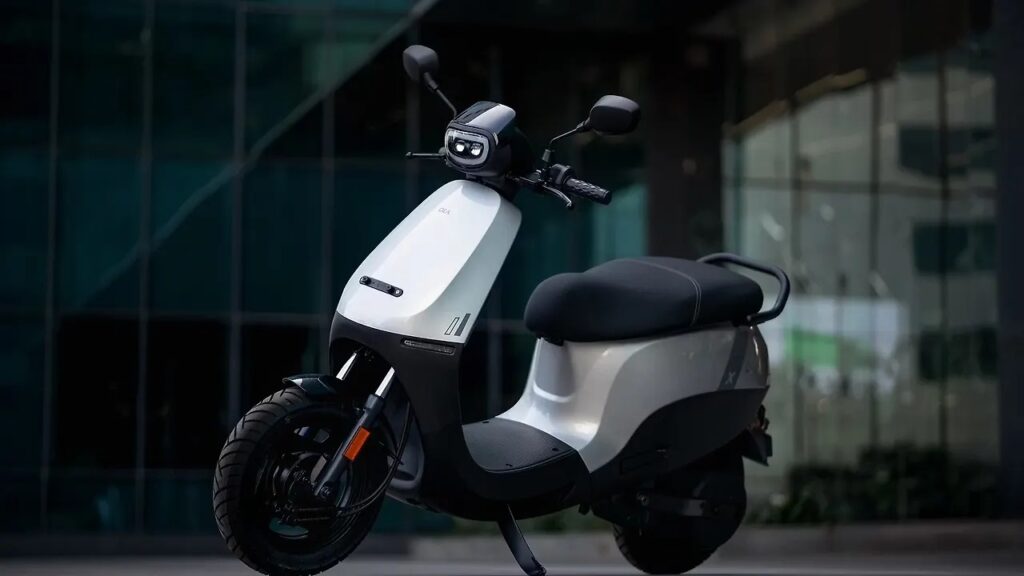
Synopsis: India’s electric scooter race is entering a decisive phase. Ola Electric still has a chance against Ather, but the gap is becoming harder to ignore. With market share shifting and execution taking center stage, the real question is whether Ola’s reset can turn into a comeback before Ather pulls further ahead.
The battle in India’s electric two-wheeler market is no longer just about who entered early or who built the biggest brand. It is now becoming a sharper test of execution, product-market fit, cost structure, and the ability to hold customer trust while scaling. That is what makes the comparison between Ola Electric and Ather Energy so important.
Both companies are pushing a strong technology-led EV story, but their Q3FY26 management commentary shows two very different realities. Ola is speaking like a company in reset mode, trying to fix service issues, protect margins, and prepare for a future comeback. Ather, on the other hand, is speaking like a company that is already gaining traction, improving profitability, and taking market share in real time.
The contrast is clear in the latest numbers. In Q3FY26, Ola reported 32,680 deliveries and consolidated revenue of Rs. 470 crore, while describing the quarter as a “structural reset” driven by weaker EV penetration growth and gaps in service execution. It highlighted a record consolidated gross margin of 34.3 percent and said the business had been reset to a lower breakeven level, with service improvements expected to rebuild trust over time. Ather, however, reported 68,000 units sold in the quarter, nearly Rs. 1,000 crore in total income, 25 percent adjusted gross margin, and EBITDA of roughly negative 3 percent, while calling Q3 a particularly strong quarter led by expanding demand, especially for Rizta.
Why Ola still has a case
Ola’s argument rests on three pillars. First, it believes the company has already built deep structural advantages through heavy investment of around Rs 5,300 crore in manufacturing, R&D, and battery integration, creating full vertical integration across motors, batteries, cells, electronics, and software. It also said the heavy capex phase is now largely behind it, with current infrastructure supporting one million vehicles and 6 GWh of cell capacity. That matters because Ola is effectively saying the painful investment cycle is mostly over, while the benefits are only beginning to show up in margins and future optionality.
Second, Ola is leaning hard on gross margins and future operating leverage. In simple terms, it is saying that even though overall profitability is weak today, the company is making much better money on each vehicle than before. The 34.3 percent consolidated gross margin in Q3FY26 was presented as evidence that vertical integration and the Gen 3 platform are starting to work. Management also said gross margins could stabilize in the 35 percent to 40 percent range in FY27.
Alongside this, quarterly operating expenses including leases have fallen sharply from around Rs. 840 crore at peak expansion to Rs. 484 crore in Q3FY26, with a target of Rs. 250 crore to Rs. 300 crore over the next couple of quarters. At that level, Ola says EBITDA breakeven comes down to around 15,000 units per month.
Third, Ola still has a technology story that cannot be ignored. The company has already started commercial deployment of its in-house 4680 Bharat Cells and recently announced the readiness of its indigenous 46100 LFP cell, which it said will begin entering products from the next quarter (Q4FY26). It also launched the S1 X+ 5.2 kWh with 4680 Bharat Cells on April 13, 2026, positioning it as a step toward making long-range EV scooters more accessible.
These developments matter because they support Ola’s claim that its battery efforts are not just a presentation story anymore. They are slowly entering real products. If battery cost, range, and vertical integration become bigger competitive differentiators over time, Ola could still have a meaningful edge.
Why Ather looks stronger right now
The problem for Ola is that Ather’s commentary makes the market look far healthier than Ola’s own tone suggests. Ather’s management spoke about expanding demand, strong Rizta-led growth, rising market share, improving profitability, and disciplined execution. It said Q3FY26 unit sales rose 50 percent year on year to 68,000, and total income grew 53 percent. It also said adjusted gross margin rose to 25 percent and EBITDA improved sharply to around negative 3 percent. That is a very different picture from Ola’s sales decline and heavy losses. Even more importantly, Ather did not sound like a company blaming the market. It sounded like a company winning in it.
Ather’s management explained the demand situation in a simpler and more realistic way. It argued that the real growth in electric two-wheelers has been masked by weakness in the sub-Rs. 1 lakh segment, while products priced above that level have grown well over the last several quarters. It pointed to strong year-on-year growth in December and January and suggested the industry is now seeing healthier momentum at a broader level. That directly weakens the idea that EV demand itself is the main problem. If the market were truly shutting down, Ather would not be posting this kind of growth.
Then there is market share. Based on the registration data of March 2026, Ather’s electric two-wheeler volumes rose to 2.37 lakh units from 1.31 lakh units a year ago, while Ola’s fell to 1.64 lakh units from 3.44 lakh units a year ago. Using the set of major players (TVS Motor Company, Bajaj Auto, Hero MotoCorp, Greaves, River Mobility, Pur Energy and Kinetic Green), Ather’s share rises from ~13 percent to about ~18.5 percent, while Ola’s falls from around ~30-35 percent to about ~12.8 percent. Even allowing for the fact that the full market may include some smaller players beyond those listed, the directional message is very clear: Ather gained sharply, while Ola lost ground. That makes this less of a theory debate and more of a live competitive shift.
Customer trust may be the deciding factor
One more difference stands out in how both management teams talk about customers. Ola openly acknowledged that service execution gaps hurt brand trust and said recent sales softness was driven by service perception rather than product weakness. It said service backlogs had come down from 14 days to around 7 to 8 days and that about 80 percent of service tickets were now being completed on the same day.
That is progress, but it is still a recovery phase. Ather, in contrast, spent much more time discussing customer usage, software attachment, charging network monetization, and retail expansion. It said ProPack attachment was 91 percent, store count had reached 600 with a target of 700 by the end of FY26, and strong demand was visible across South, middle India, and newer markets. In other words, Ola is still repairing the relationship with the customer, while Ather is trying to deepen it. That difference may be the most important competitive signal of all.
Where the real battle now stands
Ola still looks like the company with the bigger long-term ambition, deeper battery integration, and potentially stronger unit economics. But Ather currently looks like the better-run business. Its gross margin is lower than Ola’s, yet it is translating that margin into far better EBITDA outcomes. Ola’s 34.3 percent gross margin looks impressive on paper, but it still reported adjusted operating EBITDA of negative Rs. 323 crore and PAT of negative Rs. 487 crore in Q3FY26. Ather, with lower gross margins, is much closer to breakeven because demand, pricing discipline, non-vehicle revenue, and cost control are all working together.
That does not mean Ola is out of the race. It means the burden of proof is now on Ola. The company has to show that service stabilization really can rebuild trust, that its lower cost base is sustainable, and that its battery and product roadmap can pull buyers back at scale. If that happens, the combination of high gross margins and battery integration could still make Ola a future threat for Ather. But if service issues take longer to fix, or if Ather keeps compounding volumes, stores, and customer trust, the gap could widen further.
For now, the blunt answer is this: Ola still has a chance against Ather, but that chance depends less on future promises and more on near-term execution. Ather is not winning because it has the loudest vision. It is winning because, right now, more parts of its business are working well right now. And until Ola proves that its reset can turn into recovery, Ather will remain the stronger player in India’s electric scooter market.
Disclaimer: The views and investment tips expressed by investment experts/broking houses/rating agencies on tradebrains.in are their own, and not that of the website or its management. Investing in equities poses a risk of financial losses. Investors must therefore exercise due caution while investing or trading in stocks. Trade Brains Technologies Private Limited or the author are not liable for any losses caused as a result of the decision based on this article. Please consult your investment advisor before investing.
The post EV Stocks: Does Ola Electric Still Have A Chance Against Ather Energy? appeared first on Trade Brains.
Related Articles

₹3,200 Cr Order Book: Can This Smart Meter Stock Evolve Into an Electrical Solutions Co.?
Synopsis: HPL Electric delivered a record FY26, backed by strong smart meter dem...
Tata Motors: Can It Double Passenger Vehicle Volumes and Reach 20% Market Share by FY31?
Synopsis: Tata Motors targets strong PV growth with EV-led expansion, aiming to...

KPIT Technologies: Will Q1 Results Be Strong Enough For A Turnaround?
Synopsis: KPIT Technologies has spent the past year explaining why growth slowed...
Persistent Systems Shares: Can Europe Expansion and AI Deliver Long-Term Growth?
Synopsis: Persistent Systems remains focused on expanding its business through s...