Crypto Wins Big: Thailand Moves To A 0% Tax On Local Exchange Gains
Alex Smith
6 months ago

Thailand has officially adopted a new tax-rule giving a 0% personal income tax rate on capital gains from cryptocurrency trades — but only under certain conditions.
According to regulation Ministerial Regulation No. 399 (MR 399), profits earned from selling or transferring cryptocurrencies such as Bitcoin via exchanges, brokers, or dealers licensed by the Securities and Exchange Commission of Thailand (SEC) will be tax-free from January 1, 2025 until December 31, 2029.
What The 0% Tax Means
Under the new scheme, individual investors who trade crypto through SEC-licensed platforms don’t pay personal income tax on any gains. The exemption applies only if the trade is done on a local approved exchange, broker, or dealer.
FACT: THAILAND NOW OFFERS 0% CAPITAL GAINS TAX ON #BITCOIN TRADED ON NATIONAL EXCHANGES
GLOBAL GAME THEORY AT WORK pic.twitter.com/8rf21xJxKT
— The Bitcoin Historian (@pete_rizzo_) November 26, 2025
Regular income tax rules apply to the same type of income for taxpayers who participate in foreign/unlicensed exchange activity, as well as those who generate crypto income from mining, staking and/or airdrops.
The publication of this regulation in the Royal Gazette on September 5th 2025 makes it official and enforceable by law.
Reaction to this regulation was also positive from both officials and investors: an official statement indicates the primary purpose of creating this regulation was to provide incentives for current and future traders to use local regulated exchanges as opposed to using foreign/unregulated exchanges.
They hope this will strengthen Thailand’s financial system and bring more transparency into crypto trades.
Some analysts expect the policy to draw both local and international interest in Thailand’s licensed exchanges. The government seems to try making its digital-asset sector more competitive while ensuring regulatory compliance.
What Investors Should Know
To benefit from 0% tax, trades must go through valid, licensed channels. Gains from outside platforms or unapproved services don’t qualify.
Accurate records of purchase and sale, including dates and exchange receipts, are vital to prove eligibility if asked by tax authorities.
The exemption runs only until December 31, 2029. After that date, the law will need review or renewal. So traders thinking long-term should consider what might happen after 2029.
This policy shift represents a significant signal from Bangkok to both domestic and global crypto players.
It makes compliant crypto trading cheaper — maybe more attractive — while drawing a clearer line between regulated and unregulated channels.
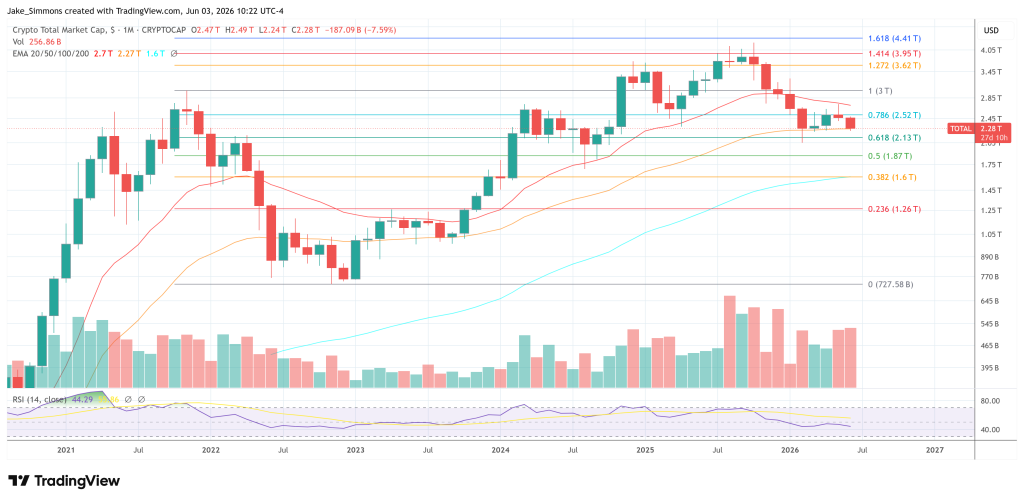
Featured image from Unsplash, chart from TradingView
Related Articles

Zcash Fixes Critical Orchard Vulnerability As ZEC Holds $600 Support
Zcash has patched a dangerous vulnerability in its privacy-focused infrastructur...

Bitcoin Falls Below $66K As Short-Term Holder Stress Reaches February Levels
Bitcoin has lost the $66,000 level as selling pressure and uncertainty intensify...

XRP Already Powers Real Banking Activity, Says Evernorth, With More Growth Expected
Evernorth says daily activity on the XRP Ledger has climbed to nearly 3 million...
Crypto Is A ‘Failed’ Asset Class, Says Renowned Economist
Economist and macro trader Alex Krüger has argued that “crypto” has largely fail...