Crypto Investors Cheer As South Korea Scraps Punishing Tax Plan
Alex Smith
3 months ago
South Korean right-wing lawmakers have proposed a bill to abolish the taxation of crypto assets scheduled to take effect on January 1, 2027.
A Long Chain Of Regulation Delays
According to Korean outlet Digital Asset, Korea’s main opposition party the People Power Party is advancing a plan that would effectively abolish the dedicated 20% “crypto tax” by merging virtual‑asset income into a unified financial investment tax framework, instead of enforcing a separate regime just for digital assets.
The proposal comes after multiple postponements. Ruling and opposition parties alternated between promising delays and demanding quick implementation, repeatedly using crypto tax timelines as an election wedge with youth voters. The original 20% tax on gains over roughly ₩2.5 million was pushed from 2022 to 2023, then to 2025, and then again toward 2027 amid political infighting and concerns over investor protection.
The core issue has lays in parity. Crypto gains were set to be taxed at 20% above a very low threshold, while stock gains only paid similar rates above ₩50 million, fueling claims that young, retail‑heavy crypto traders were being unfairly targeted. Song Eon-seok, floor leader of the party and the responsible for introducing the bill, explained:
Given that the financial investment income tax has been abolished for the development of the capital market and the protection of investors, imposing a separate income tax on digital assets raises issues regarding equity and consistency in the tax system.
Kim Han-gyu, senior deputy floor leader for policy of the Democratic Party, responded to the proposal saying that they ruling party will discuss the bill now that it’s been introduced, although “there is no serious discussion or consensus within the party”, local media reported.
South Korea In The Forefront Of Crypto RegulationSouth Korea has already rolled out the Virtual Asset User Protection Act and is still fighting over a second‑phase “Virtual Asset Law” covering stablecoins and more comprehensive oversight, underscoring that taxation is only one piece of a much tougher framework.
While many jurisdictions are tightening tax enforcement on digital assets, South Korea is prioritizing regulatory safeguards and market structure first. It’s worth noting, however, that South Korea’s National Tax Service is also moving ahead with a strong AI Crypto Tracking System, as reported by Bitcoinist on March 12.
A more balanced tax design could reduce incentives for Korean traders to move volume offshore or into grey‑area platforms, potentially supporting onshore liquidity and institutional participation. The apparent end of a standalone crypto tax is a short‑term relief, but once the unified financial investment tax kicks in, sophisticated reporting and on‑chain tracing tools mean evasion risks will climb. Active traders should prepare for stricter KYC, better record‑keeping, and the possibility that today’s relief turns into tomorrow’s more robust, integrated tax regime.
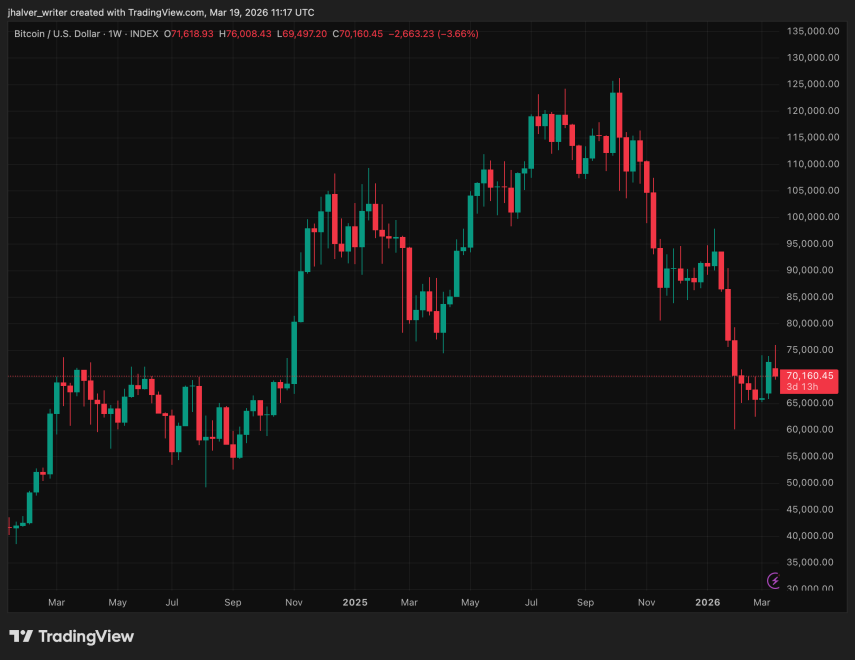
Cover image from Perplexity, BTCUSD chart from Tradingview
Related Articles
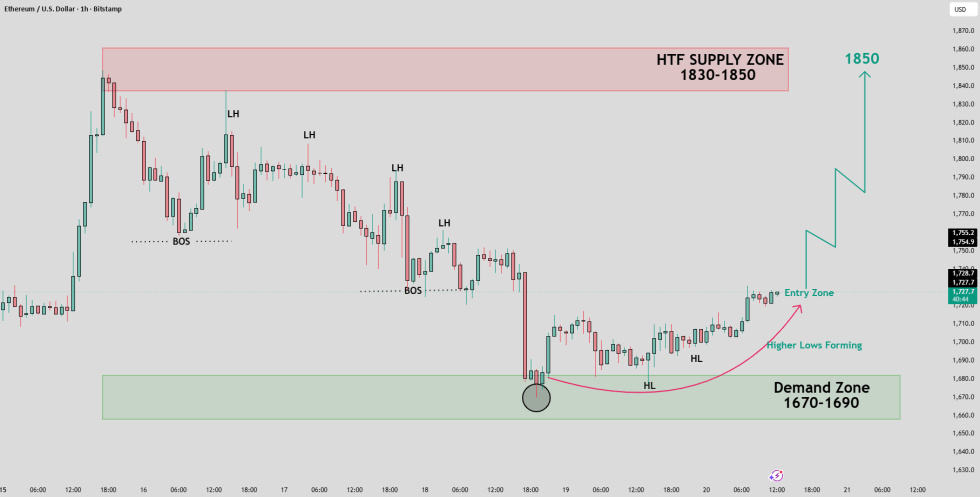
Ethereum Price Setup Targets $1,850 As Buyers Defend Key Demand Zone
A TradingView analyst says Ethereum could target $1,850 if buyers defend the $1,...
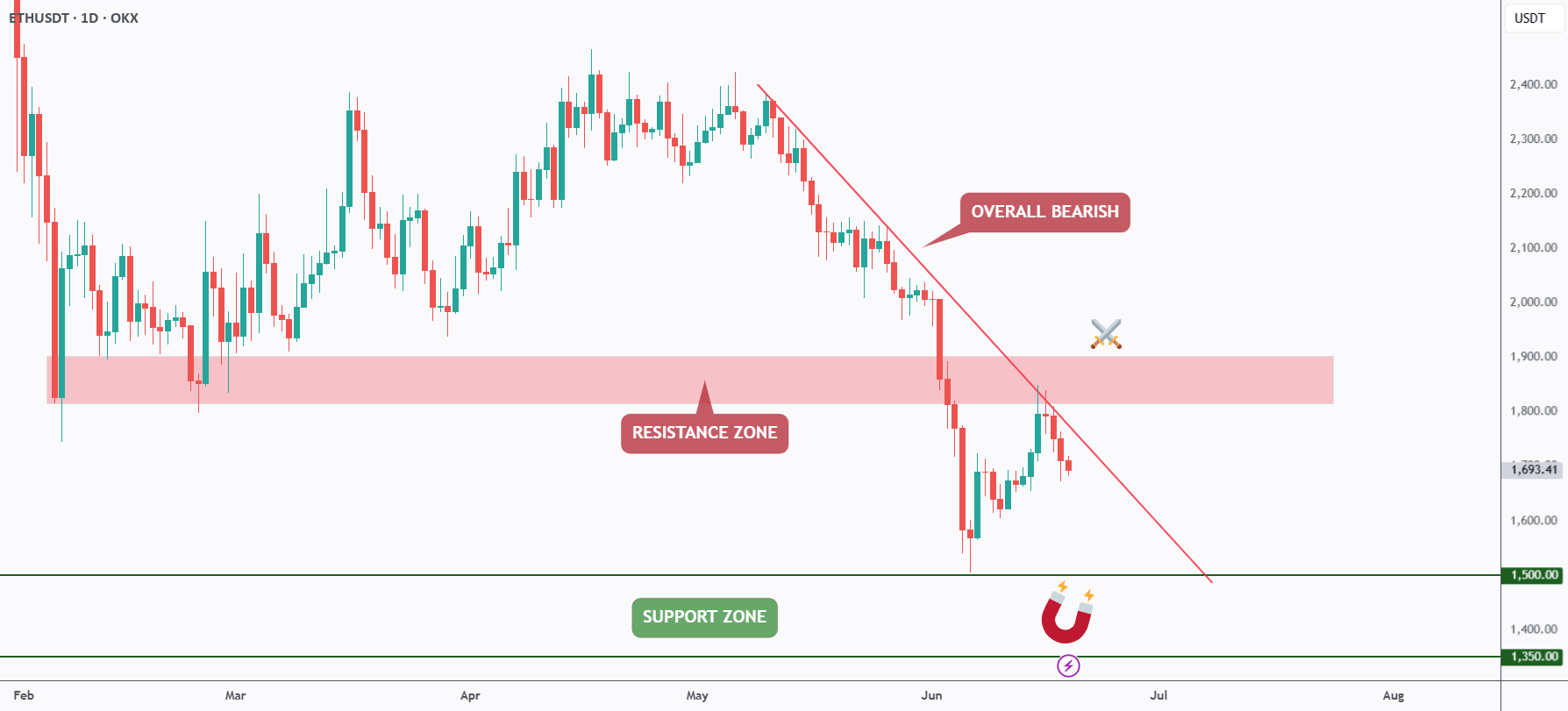
Ethereum Bears Keep Control As ETH Rejects Trendline Resistance
A TradingView analyst says Ethereum remains bearish below a falling trendline, w...
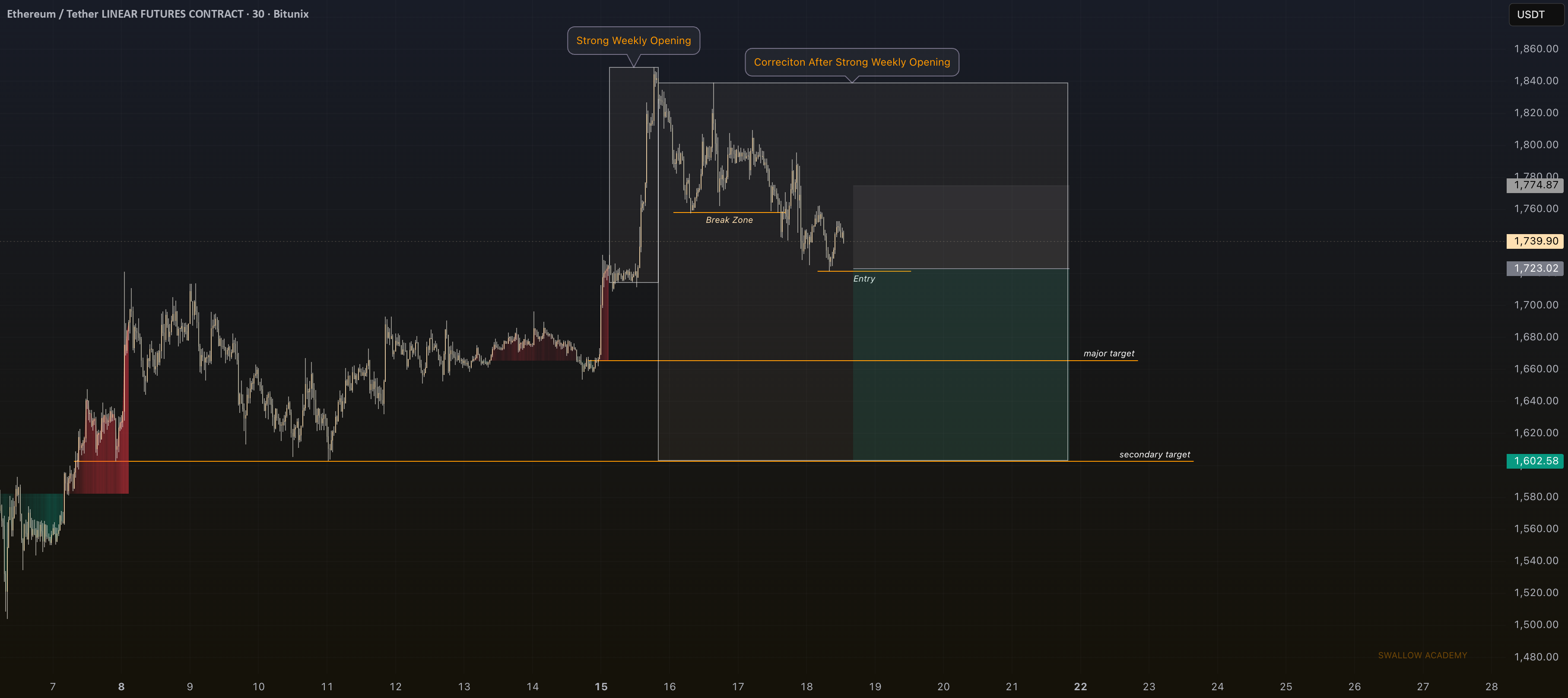
ETH/BTC Ratio Falls Back To Early-2023 Levels As Traders Debate Ethereum Value
An X analyst says ETH/BTC is back near 0.027, while a TradingView chart shows ET...
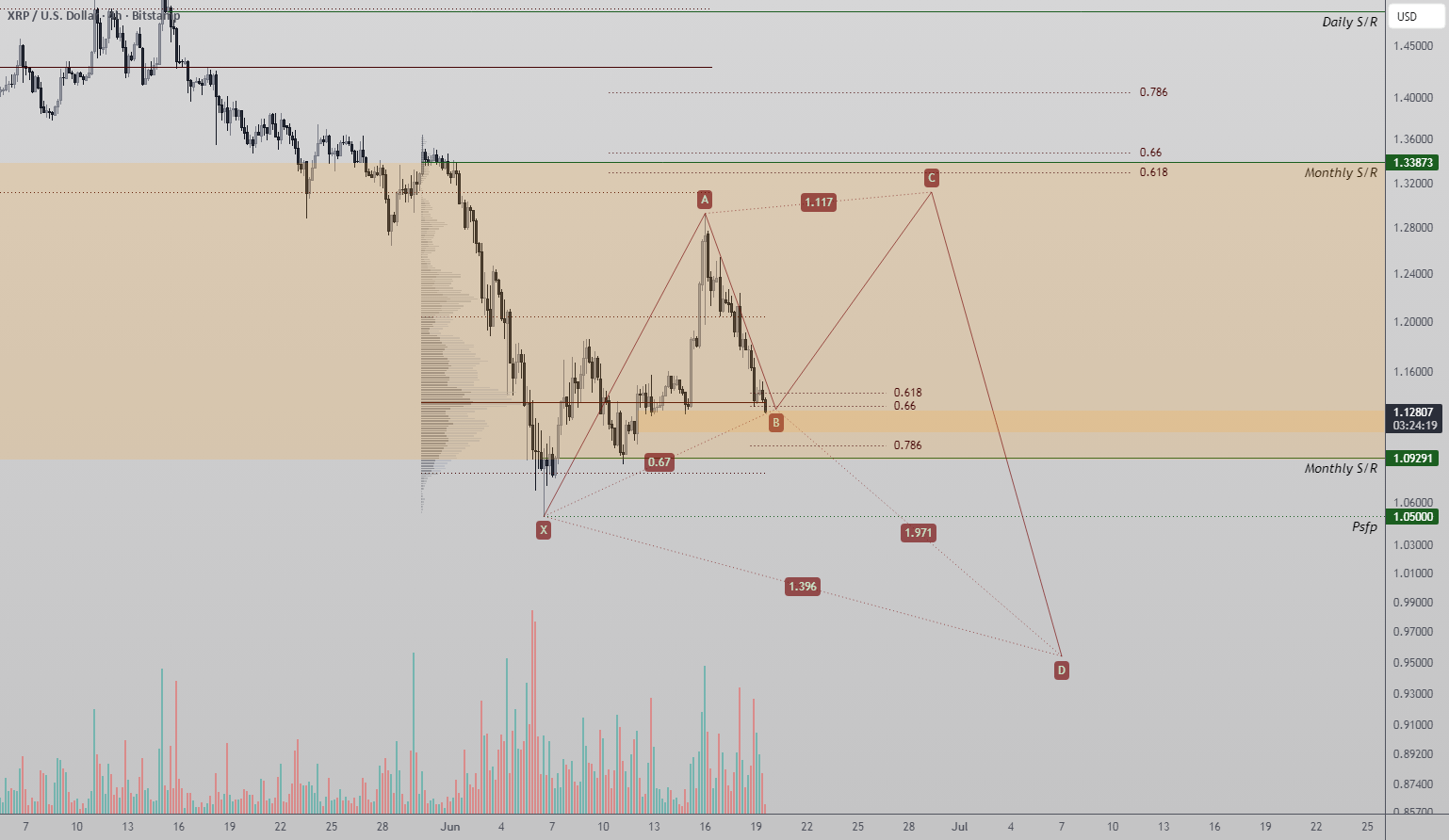
XRP Reversal Setup Forms Around Harmonic Pattern And Key Support Zone
A TradingView analyst says XRP is testing a technically important support zone s...