$BTC Rebound to $84K? Why $HYPER Could Soar High
Alex Smith
4 months ago

Bitcoin is testing retail patience right now.
It’s oscillating within a tight consolidation range, and many are eyeing the $84K mark as the next critical liquidity shelf. The market structure here is telling: falling volatility usually signals a violent move is coming, and derivatives data suggest short-term speculators are capitulating while long-term holders continue to accumulate.
Source: X
If the leading cryptocurrency reclaims the mid-$80k region, it confirms the macro uptrend is alive and well, not a cycle top. Some crypto analysts on X noted that, based on recent price action, $BTC could rebound toward the first ‘Fair Value Gap’ (FVG).
But staring at the $BTC chart misses the bigger picture. While Bitcoin ($BTC) remains the pristine collateral of the crypto economy, capital is rotating toward infrastructure that solves the network’s inherent limitations, specifically its lack of programmability and slow finality.
Smart money isn’t just betting on digital gold; they’re betting on the rails that make digital gold usable in DeFi. This search for yield has directed substantial liquidity toward Layer 2 solutions.
Leading this charge is Bitcoin Hyper ($HYPER), a protocol attempting to merge Bitcoin’s security with Solana’s speed, positioning itself as a high-beta play on the ecosystem’s growth.
Bitcoin Hyper Integrates SVM to Solve the Scalability Trilemma
The main headache for Bitcoin adoption in decentralized finance? The network simply wasn’t built for complex smart contracts. Bitcoin Hyper ($HYPER) addresses this by introducing the first-ever Bitcoin Layer 2 integrated with the Solana Virtual Machine (SVM).
Source: Bitcoin Hyper
It’s a crucial architectural pivot. Instead of relying on the slower Ethereum Virtual Machine (EVM) often seen in L2s, it offers the high-throughput performance Solana devs expect, anchored directly to Bitcoin’s settlement layer.
By utilizing a decentralized canonical bridge for $BTC transfers, Bitcoin Hyper plans to allow users to deploy wrapped $BTC for high-speed payments and complex DeFi maneuvers, swaps, lending, and staking. And it’s without the exorbitant fees or 10-minute block times of the main chain.
For developers, the proposed integration of Rust support via the SVM means the existing talent pool from the Solana ecosystem can finally deploy dApps on Bitcoin without learning a new language. This modular approach, using Bitcoin L1 for settlement and a real-time SVM L2 for execution, theoretically solves the ‘programmability gap’ that has historically held Bitcoin back from competing with Ethereum.
EXPLORE THE $HYPER L2 ECOSYSTEM.
The Developer Gravity Well: Why Rust Builders are Migrating to $HYPER
Market participants often over-index on price while ignoring the ‘engine room’ of a project: the developers. While the $31.2M raised in the presale is a staggering metric, the more significant signal is the migration of Rust-based developers into the Bitcoin Hyper ecosystem.
By integrating the Solana Virtual Machine (SVM), $HYPER has effectively opened a portal for the industry’s most efficient builders to deploy on the world’s most secure network.
The current valuation of $0.013675 reflects a project still in its ‘quiet build’ phase, but the technical underpinnings suggest a massive ecosystem expansion is imminent. Unlike traditional Bitcoin forks or sidechains that require learning complex, niche languages, $HYPER allows Solana’s massive developer talent pool to port their high-performance dApps directly onto Bitcoin without missing a beat.
Ecosystem Synergy: Beyond Simple ScalingThe influx of early capital isn’t just sitting idle; it is being channeled into a modular framework that changes how Bitcoin interacts with the broader Web3 space:
Cross-Chain Interoperability: $HYPER is positioning itself as the primary liquidity hub between the $BTC and $SOL ecosystems, allowing for the first truly seamless flow of value between the ‘Store of Value’ and ‘High Performance’ kings.
Staking as a Security Primitive: The $HYPER staking model, which offers immediate APY post-TGE, serves as a dual-purpose tool: it secures the Layer 2 network while providing a yield-bearing alternative for BTC holders who have historically had no way to put their ‘digital gold’ to work.
Reduced Sell Pressure by Design: A strategic 7-day vesting period for presale participants ensures that the initial secondary market launch is defined by organic price discovery rather than early-stage liquidations.
Want a full project breakdown? Read our ‘What is Bitcoin Hyper?‘ guide.
By focusing on the ‘developer experience,’ Bitcoin Hyper is solving the one thing Bitcoin has always lacked: a thriving, fast-moving application layer. As the presale nears its next milestone, the project isn’t just attracting capital; it’s attracting the architects of the next DeFi summer.
VISIT THE OFFICIAL $HYPER PRESALE SITE.
This article is for informational purposes only and does not constitute financial advice. Cryptocurrency investments, particularly in presale phases, carry high risks including volatility and potential loss of principal. Always conduct independent research.
Related Articles
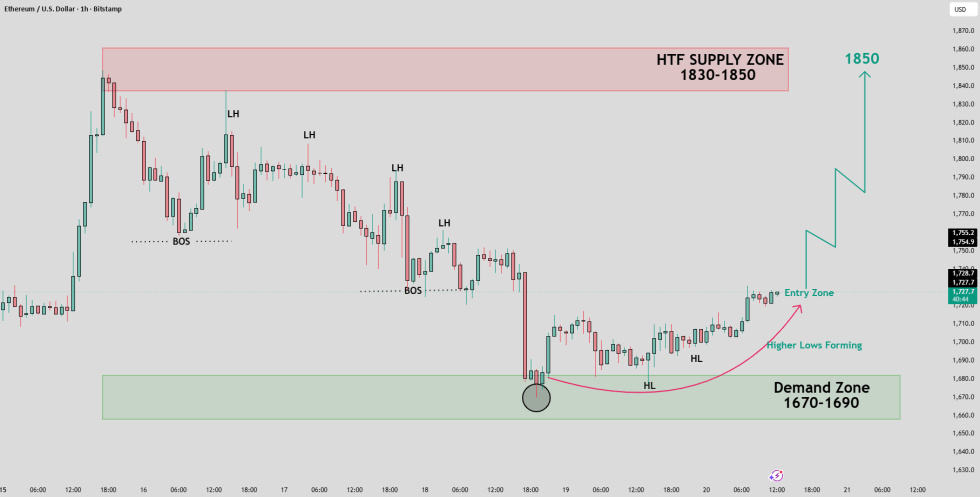
Ethereum Price Setup Targets $1,850 As Buyers Defend Key Demand Zone
A TradingView analyst says Ethereum could target $1,850 if buyers defend the $1,...
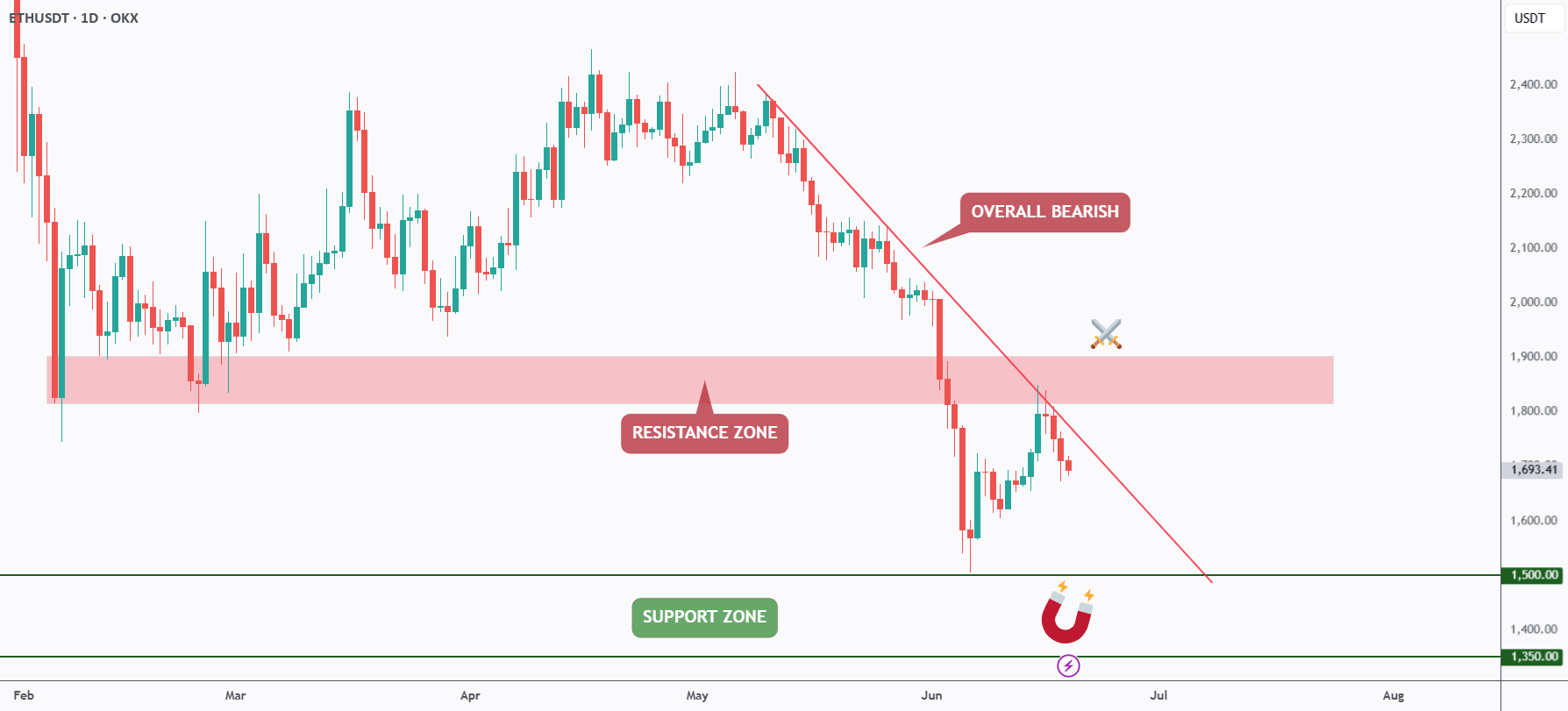
Ethereum Bears Keep Control As ETH Rejects Trendline Resistance
A TradingView analyst says Ethereum remains bearish below a falling trendline, w...
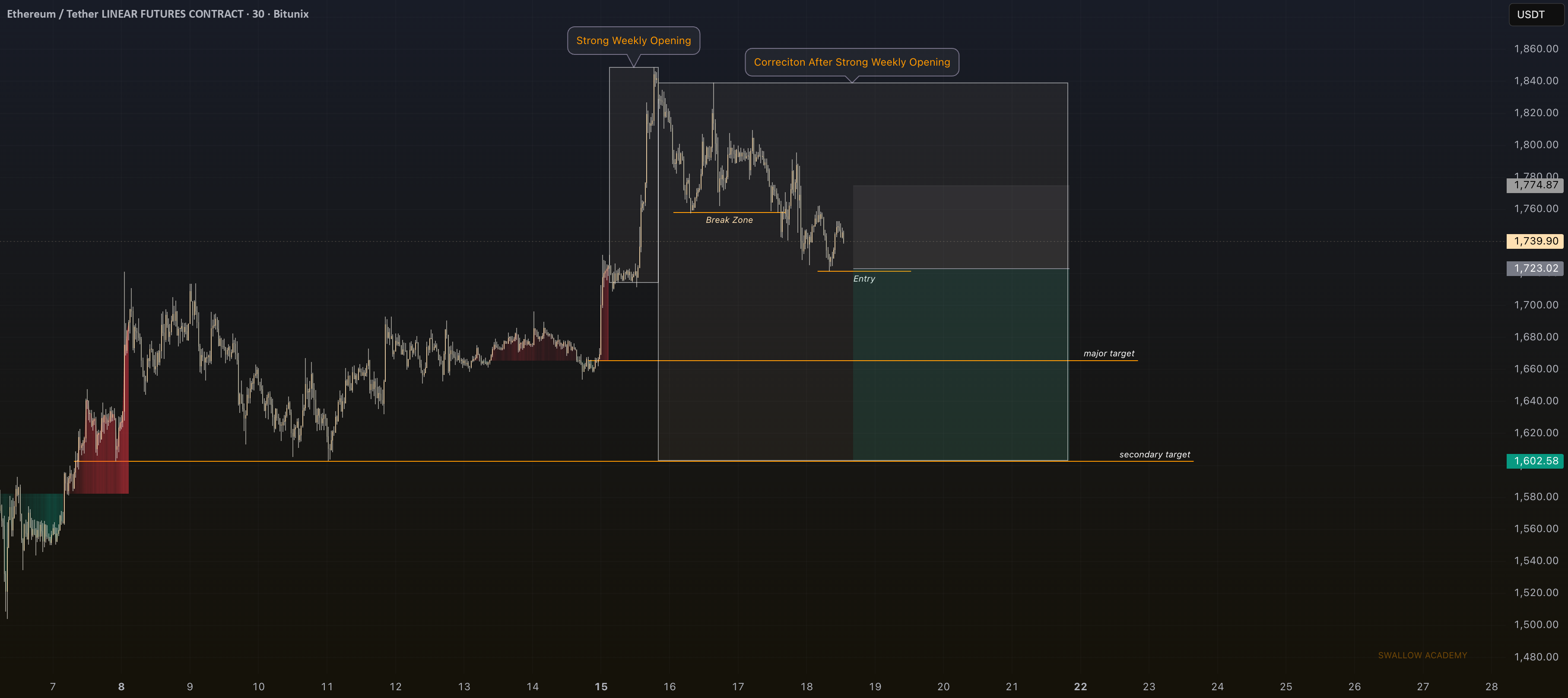
ETH/BTC Ratio Falls Back To Early-2023 Levels As Traders Debate Ethereum Value
An X analyst says ETH/BTC is back near 0.027, while a TradingView chart shows ET...
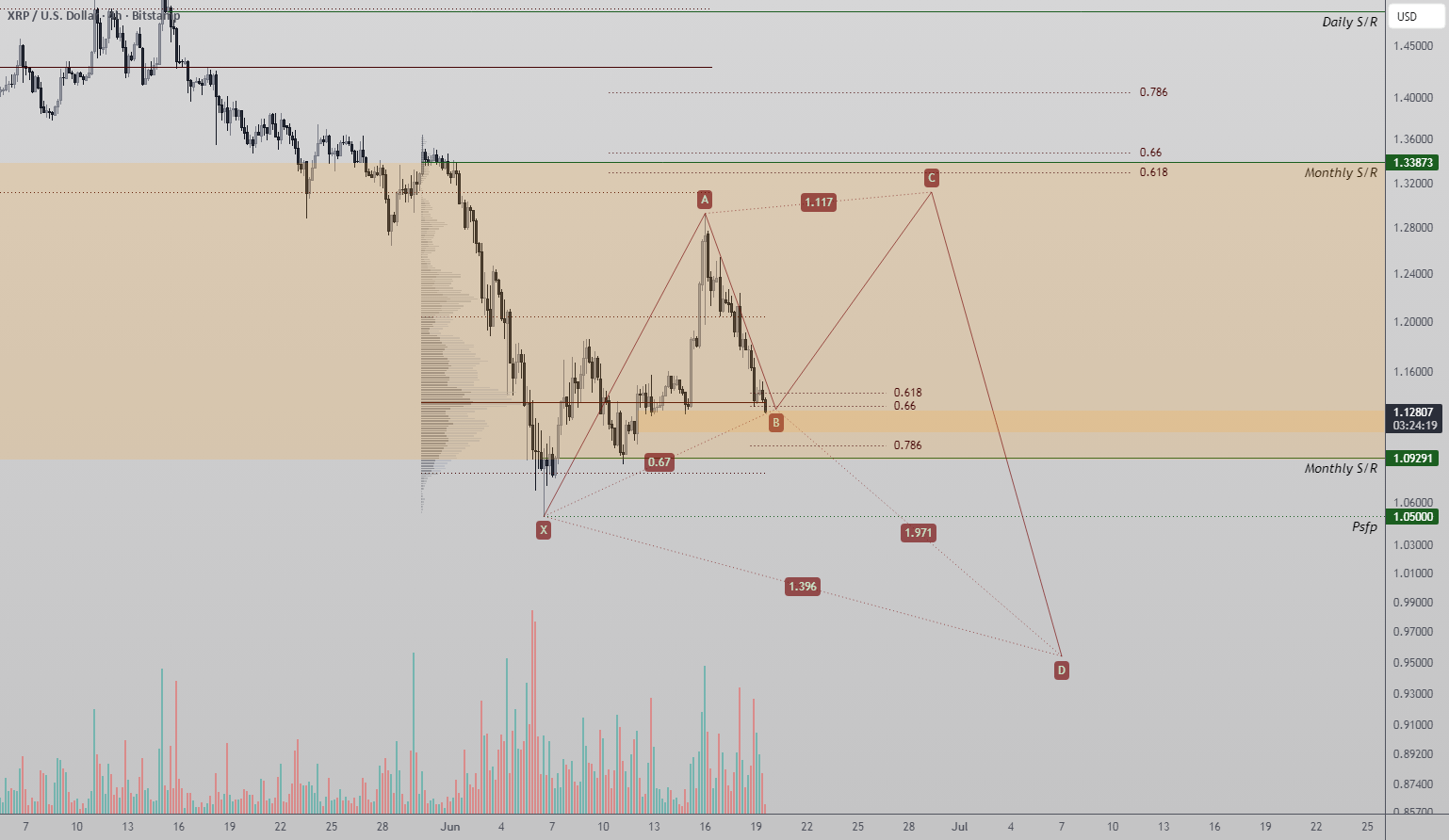
XRP Reversal Setup Forms Around Harmonic Pattern And Key Support Zone
A TradingView analyst says XRP is testing a technically important support zone s...