Bithumb Faces 6-Month Suspension In South Korea Over AML, KYC Violations
Alex Smith
3 months ago
The South Korea-based cryptocurrency exchange, Bithumb, is facing significant legal and operational challenges following a major system error in February. This resulted in more than $43 billion worth of Bitcoin (BTC) being distributed to users, prompting scrutiny from regulatory bodies.
The Financial Intelligence Unit (FIU) has preliminarily notified Bithumb of a six-month partial suspension of its business for alleged violations of Anti-Money Laundering (AML) and Know Your Customer (KYC) regulations under the Special Financial Transactions Act.
Bithumb’s Business Operations Under Fire
According to local media reports, the FIU, part of the Financial Services Commission (FSC), has expressed concerns regarding Bithumb’s interactions with an undeclared overseas virtual asset operator and the exchange’s failure to fulfill KYC obligations.
The preliminary sanctions include a six-month business suspension and a reprimand for the company’s CEO, Lee Jae-won. Although new members will be unable to transfer digital assets, existing users will still be able to deposit and withdraw both Korean won and cryptocurrency without issue.
Notably, the country’s Financial Intelligence Unit plans to conduct a sanctions review committee meeting later this month to determine the final level of repercussions for Bithumb.
In response to the notification, a Bithumb representative clarified that this measure is currently a preliminary step, indicating that adjustments to the sanctions could still be made. He noted that the restrictions will only apply to new users’ virtual asset transfers.
‘Ghost Bitcoin Incident’
This latest development follows pressure from lawmakers in South Korea for regulators to take action following the incident on February 6.
Reports indicate that financial authorities have created an emergency response team, collaborating with the Digital Asset eXchange Alliance (DAXA), a self-regulatory organization representing domestic exchanges.
This team has begun inspecting asset verification and internal control systems at four other major platforms—Upbit, Coinone, Korbit, and GOPAX. Any deficiencies discovered could be integrated into DAXA’s self-regulatory guidelines, potentially influencing future cryptocurrency legislation in South Korea.
For context, the incident that prompted these measures stemmed from a mistake involving a promotional event at Bithumb, where an employee mistakenly distributed 620,000 Bitcoin, valued at over $40 billion, among 249 users.
Fortunately, 99% of the distributed BTC was recovered. However, the event raised serious questions about the exchange’s internal controls and ledger management practices.
Previous regulatory filings indicated that Bithumb only held 175 BTC in its own reserves and less than 50,000 Bitcoin when accounting for both its assets and those held by customers.
This discrepancy suggests that the exchange’s systems failed to prevent the erroneous transaction, causing irregular distributions that distorted market prices.
As Kim Jiho, a spokesperson for the ruling Democratic Party, remarked, the “ghost Bitcoin incident” exposed not just a simple input error but deeper structural weaknesses within cryptocurrency exchanges’ internal control frameworks.
Featured image from Shutterstock, chart from TradingView.com
Related Articles
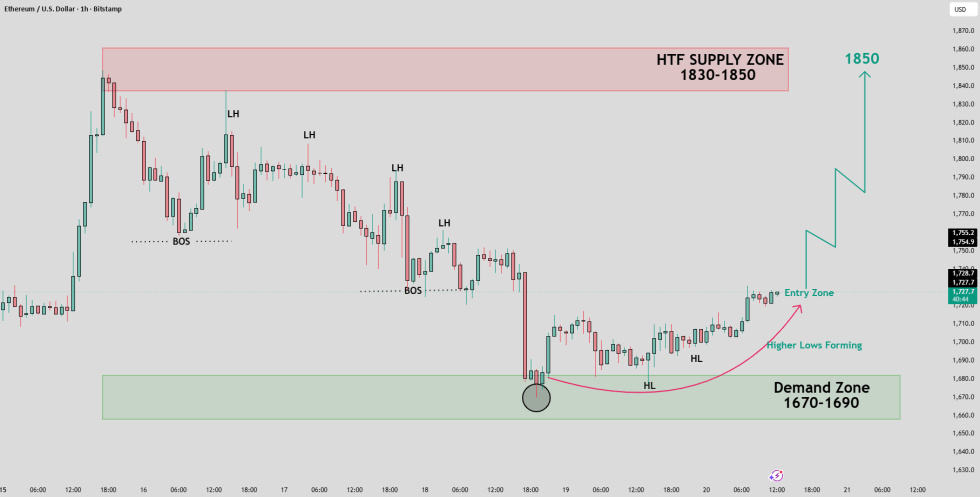
Ethereum Price Setup Targets $1,850 As Buyers Defend Key Demand Zone
A TradingView analyst says Ethereum could target $1,850 if buyers defend the $1,...
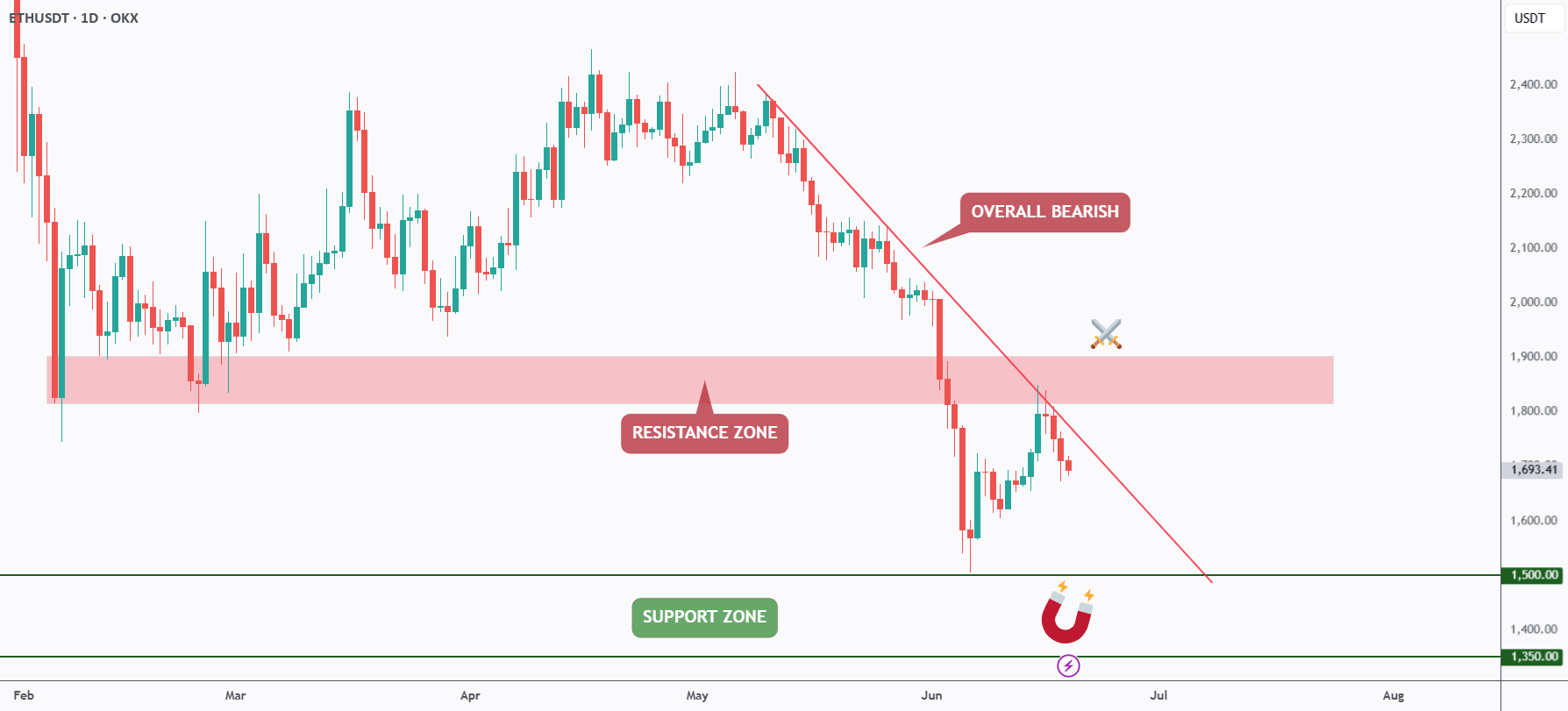
Ethereum Bears Keep Control As ETH Rejects Trendline Resistance
A TradingView analyst says Ethereum remains bearish below a falling trendline, w...
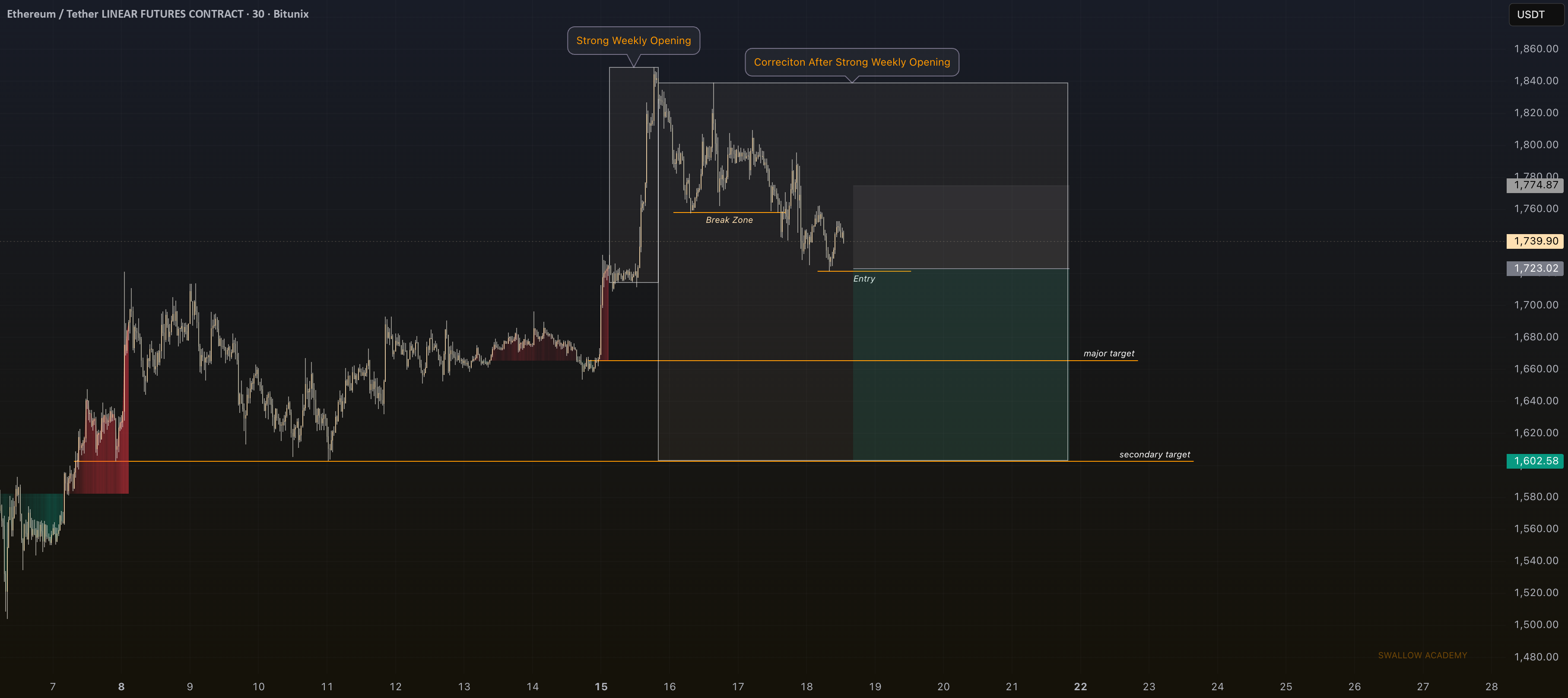
ETH/BTC Ratio Falls Back To Early-2023 Levels As Traders Debate Ethereum Value
An X analyst says ETH/BTC is back near 0.027, while a TradingView chart shows ET...
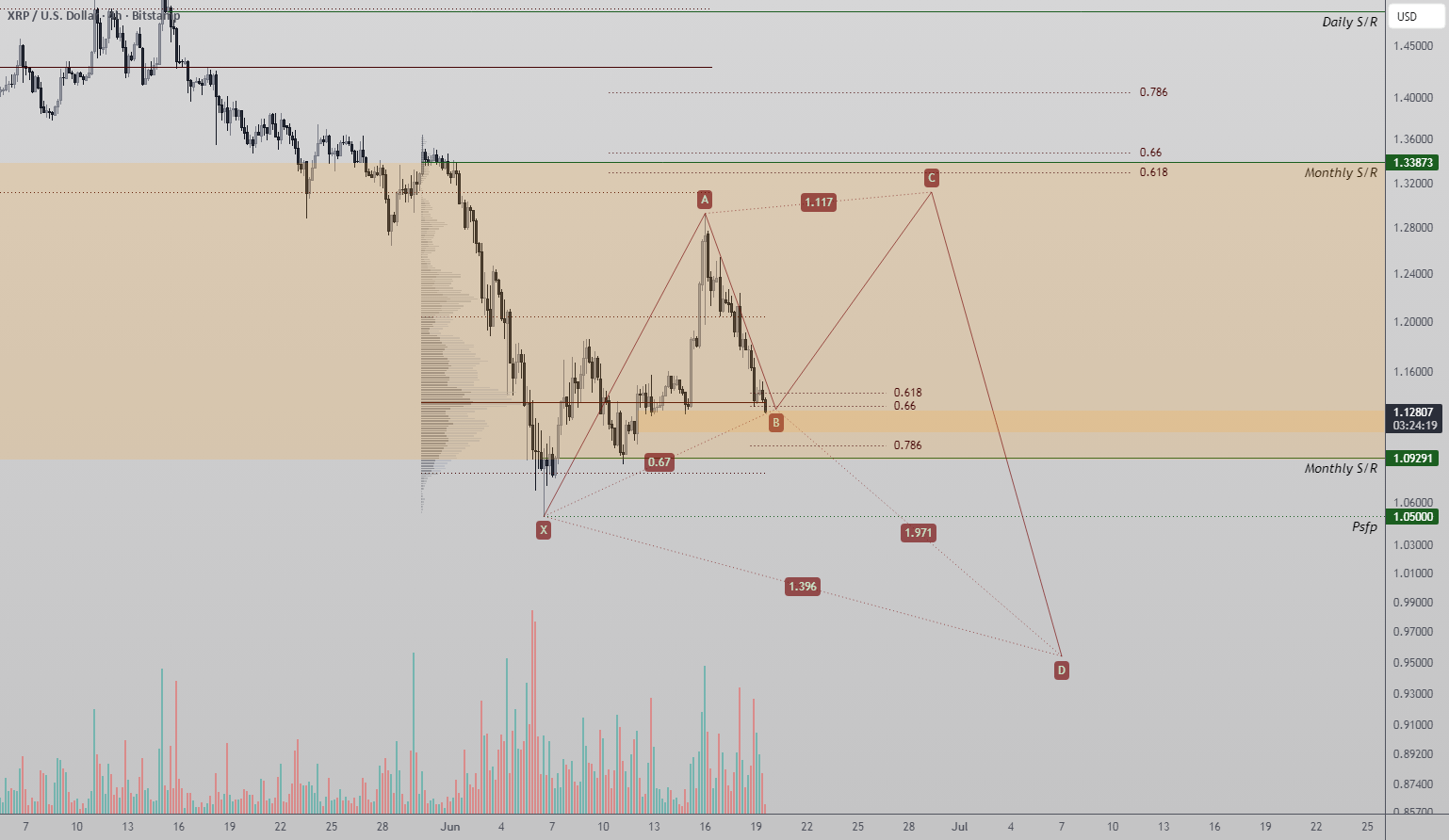
XRP Reversal Setup Forms Around Harmonic Pattern And Key Support Zone
A TradingView analyst says XRP is testing a technically important support zone s...