4 Stocks Beyond AMCs Benefiting From India’s Mutual Fund Boom to Keep on Your Radar
Alex Smith
2 hours ago
Synopsis: India’s mutual fund boom is creating opportunities beyond asset managers. As SIPs, investor accounts and assets under management continue to grow, companies providing the technology, infrastructure and distribution backbone of the industry are emerging as key beneficiaries of the country’s financialisation trend.
The numbers are hard to ignore. India’s mutual fund industry has been on a sustained upward march, with monthly SIP inflows hitting fresh records and retail investor folios crossing milestones that would have seemed improbable a decade ago. The story of who benefits from this boom, however, extends well beyond the asset managers collecting the fees.
Beneath the surface of rising assets under management lies a dense ecosystem of infrastructure providers, service companies and market utilities that earn every time a new investor walks in, every time a SIP gets registered, and every time a transaction gets processed. These businesses do not manage money. They manage the plumbing – and right now, the plumbing is running at full capacity.
CAMS: The Backbone of Mutual Fund Processing
Computer Age Management Services is India’s largest registrar and transfer agent for mutual funds, handling records, transactions and investor servicing for a significant portion of the industry’s AUM. The model is straightforward: as the mutual fund industry grows, so does the workload CAMS handles on behalf of AMCs.
Every new SIP registration, folio creation, redemption request and switch transaction passes through its systems. Because fees are linked to AUM and transaction volumes rather than market outcomes, CAMS earns more when the industry grows – without carrying any of the market risk that AMCs do. A structurally rising AUM base therefore translates into a structurally rising revenue stream, with operating leverage kicking in as volumes scale over a largely fixed infrastructure.
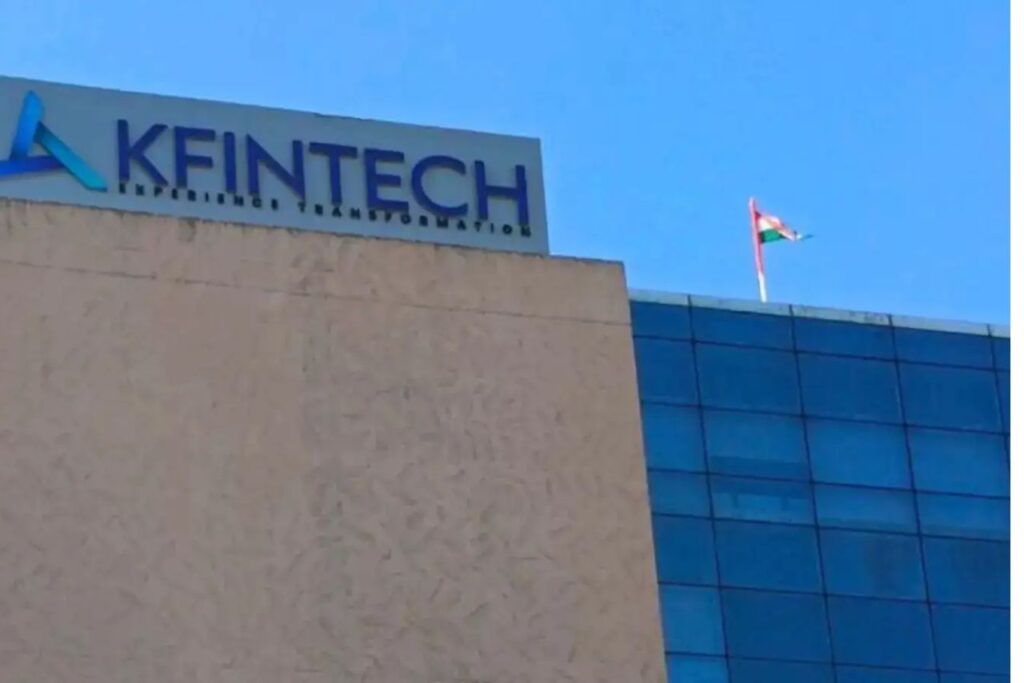
KFin Technologies: Expanding Beyond the Core
KFin Technologies occupies a similar space as a registrar and investor servicing provider to several leading AMCs, but its growth story carries an additional dimension. Beyond mutual fund RTA services, KFin has been building out capabilities in alternate investment fund servicing, pension administration and international fund administration.
This diversification matters because it means the company is not solely dependent on the domestic mutual fund cycle. As India’s broader financial services ecosystem deepens – more AIFs, more retirement savings products, more cross-border fund flows – KFin is positioned to capture a wider share of that activity. The core mutual fund business provides a stable, recurring revenue base while newer verticals offer incremental growth optionality.
BSE: Running the Distribution Highway
BSE StAR MF is India’s largest mutual fund distribution platform, used by banks, brokers, financial advisors and online distributors to process transactions on behalf of investors. The exchange earns fees on the volume of transactions flowing through the platform – purchases, redemptions, SIP registrations and switches.
As the distribution ecosystem has matured and moved increasingly online, BSE StAR MF has quietly become a critical piece of the infrastructure. More investors entering the mutual fund system, more distributors onboarding onto the platform and more monthly SIP transactions all add up to higher volumes. BSE benefits from the growth of the mutual fund industry without managing a single rupee of investor money.
CDSL: Riding the Retail Participation Wave
The mutual fund boom does not exist in isolation. It is part of a broader financialisation of household savings, where more Indians are opening demat accounts, investing in equities and engaging with digital financial services for the first time. CDSL, as India’s largest depository by active demat accounts, sits at the centre of this shift.
Every new retail investor entering the market typically opens a demat account, generating account maintenance fees for CDSL. The depository also earns from e-KYC services, eDIS transaction processing and other digital onboarding solutions that are widely used across the mutual fund and broking ecosystem. As the investor base widens, CDSL’s recurring revenue base widens with it.
The bigger picture
India’s mutual fund industry still has a long way to go compared with developed markets, which means the growth story is far from over. More people are earning better incomes, becoming more aware of investing and using smartphones to manage their money, and that is bringing millions of first-time investors into the formal financial system.
For investors who want to play this long-term trend, the opportunity goes beyond the big asset managers. The companies that keep the mutual fund ecosystem running – from registrars and transaction platforms to depositories and digital distribution networks – could end up being some of the biggest winners as more of India’s savings move into financial assets.
Disclaimer: The views and investment tips expressed by investment experts/broking houses/rating agencies on tradebrains.in are their own, and not that of the website or its management. Investing in equities poses a risk of financial losses. Investors must therefore exercise due caution while investing or trading in stocks. Trade Brains Technologies Private Limited or the author are not liable for any losses caused as a result of the decision based on this article. Please consult your investment advisor before investing.
The post 4 Stocks Beyond AMCs Benefiting From India’s Mutual Fund Boom to Keep on Your Radar appeared first on Trade Brains.
Related Articles

5 Wind Energy Stocks Poised to Benefit From India’s 100 GW Wind Power Target
Synopsis: India is accelerating its wind energy ambitions with a target to raise...

Oppo, OnePlus & Realme Deal: Can Amber Enterprises Unlock a Multi-Year Mobile Manufacturing Opportunity?
Synopsis: Amber Enterprises has entered India’s smartphone manufacturing i...
8 High Growth Stocks Targeting Up to 80% Revenue Growth to Add to Your Watchlist
Synopsis: A group of high-growth Indian companies including MTAR Technologies, S...

4 Mid-Cap IT Stocks Involved in AI and Data Centres to Keep on Your Radar
SYNOPSIS: Persistent Systems, Coforge, Mphasis, and L&T Technology Services...